


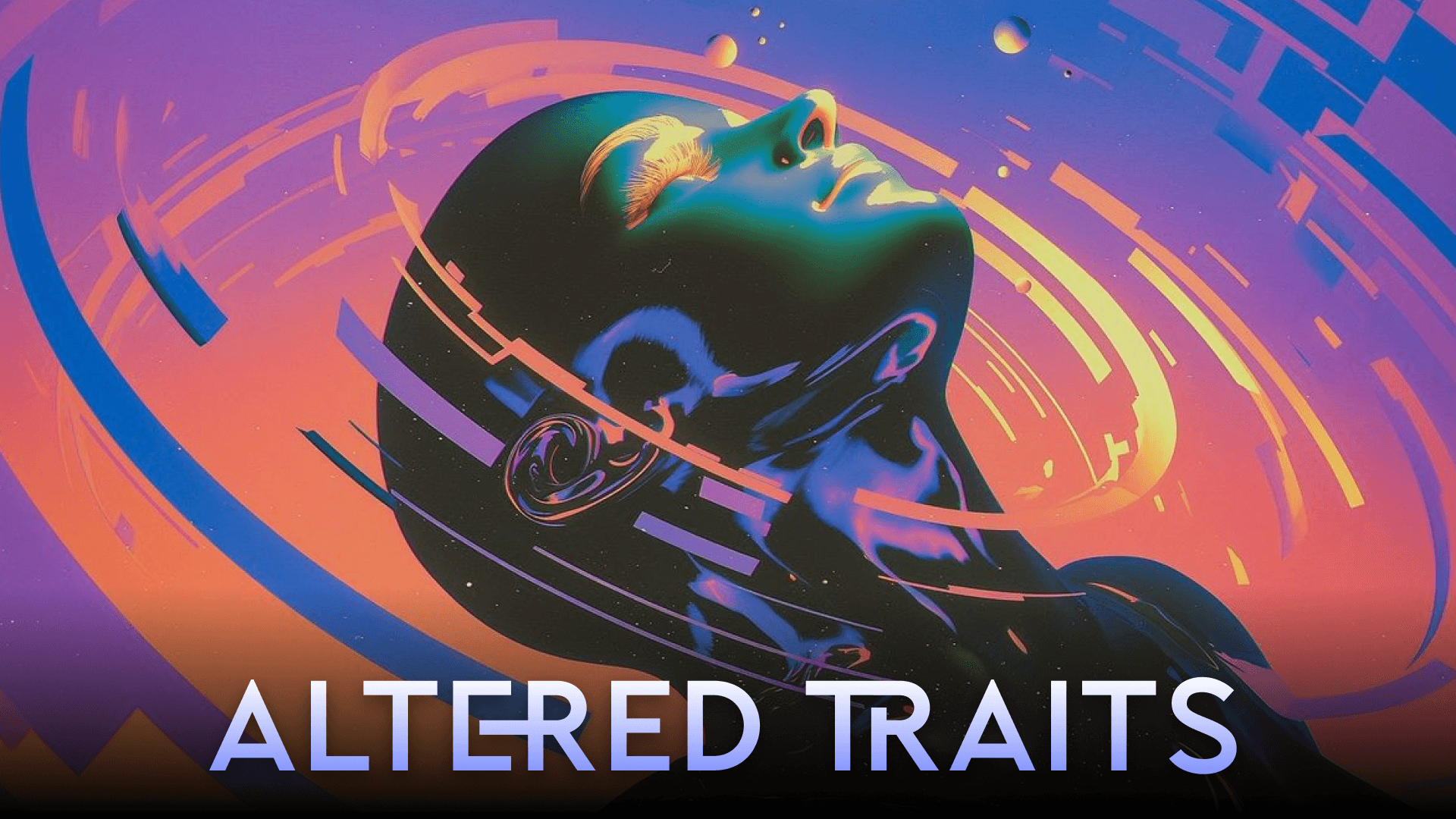
Altered traits aren't the fireworks of peak experiences you replay in your mind
They're integrated mechanisms in how you see the world, handle your emotions, connect with others, and move through life.
Altered traits are not peak experiences remembered vividly.
They point more towards the enduring changes in how a person perceives, regulates, relates, and acts over time.
This distinction matters.
Human history is full of powerful altered states.
history brims with dazzling altered states, but real human growth hinges on what endures long after the glow fades.
· · ─ ·✶· ─ · ·
What Altered Traits Really Are
Traits refer to relatively stable patterns such as:
Attentional style
Emotional regulation
Cognitive flexibility
Sense of self and agency
Interpersonal behavior
Unlike fleeting states that crash over like a wave, traits do not arrive suddenly.
They emerge through repeated exposure, practice, feedback, and environmental reinforcement.
A single intense state might crack the door open to change
But only if your brain and life reorganize around it
Like soil tilled for seeds that actually take root.
Intensity ignites; consistency cultivates.
A trait only forms if the system reorganizes around it.
· · ─ ·✶· ─ · ·

A CULTURAL AND CONTEMPLATIVE VIEW
Ancient Wisdom Meets Modern Eyes
Contemplative paths from Buddhism to Stoicism, yoga to monastic rites, never chased visions as the prize
They spotlight the grind from insight to embodiment.
And embodied realization
Progress was measured not by visions, but by:
Reduced reactivity
Greater ethical coherence
Sustained clarity
Stability under stress
States served as sparks or diagnostics
Traits proved the fire burned true.
Traditions teach that true mastery whispers, it doesn't shout.
· · ─ ·✶· ─ · ·
Science Backs the Shift
In contemporary psychology and neuroscience, traits are understood as learned patterns encoded through neuroplasticity.
Research across domains shows that durable change depends on:
Repetition over intensity
Contextual reinforcement
Identity level learning
Behavioral and environmental alignment
An experience that does not alter behavior, attention, or interpretation patterns leaves little lasting trace.
This explains why some people report profound experiences with minimal long-term impact, while others undergo quiet but durable transformation.
Durable shifts demand repetition over raw power, daily cues that reinforce, and learning that rewires your identity.
· · ─ ·✶· ─ · ·
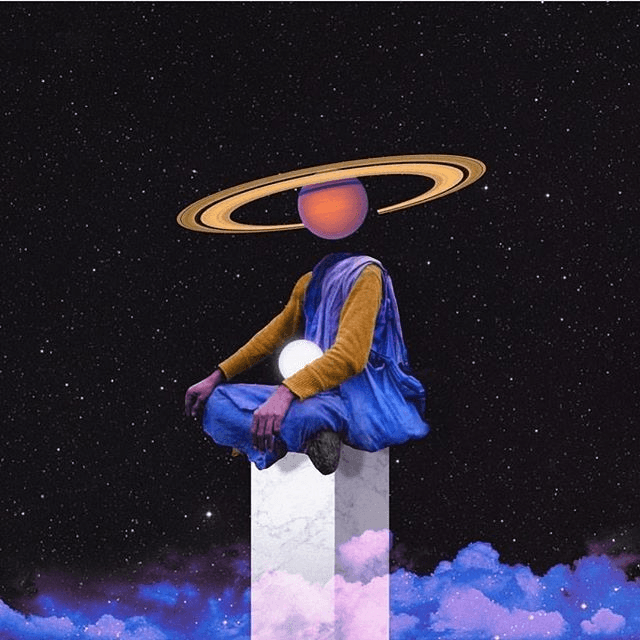
Why Chase Traits, Not States?
Altered traits cut through hype, forcing real questions:
What is different six weeks later?
What patterns have actually shifted?
What now feels easier, slower, or more stable?
These questions are uncomfortable.
They are also the only ones that matter.
Why some changes stick
Why others dissolve
And how altered states can contribute without being overvalued
Altered states open possibilities.
Altered traits determine outcomes.
States fling open doors
Traits decide if you walk through and lock them into your new normal.
Some transformations dazzle then dissolve
Others quietly compound, like interest on wisdom.
· · ─ ·✶· ─ · ·
WHY THIS MATTERS IN THE CYBERDELIC CONTEXT
Cyberdelics craft potent states via tech, ritual, and immersion
Thrilling, but stimulation alone breeds fleeting highs without depth.
If those states are not followed by conditions that support trait formation, the result is stimulation without development.
Altered Traits ensures that cyberdelic experiences are evaluated not by how profound they feel, but by what they leave behind:
Greater stability
Clearer attention
Reduced reactivity
Expanded capacity to relate and create
Traits compound; states just consume.
· · ─ ·✶· ─ · ·
Core References for Altered Trait Literacy
These works ground the concept of altered traits in evidence, long-term research, and practice rather than assumption:
Altered Traits by Goleman & Davidson:
This book dissects 6,000+ studies to reveal what meditation truly rewires. and debunks the rest.
These anchors ground hype in evidence, practice, and hard-won change. Dive in; emerge remade.
Watch this Talk by Jaime Wheel on how to move from Altered States to Altered Traits
Back to Initiation Toolkit