Knowledge · Book
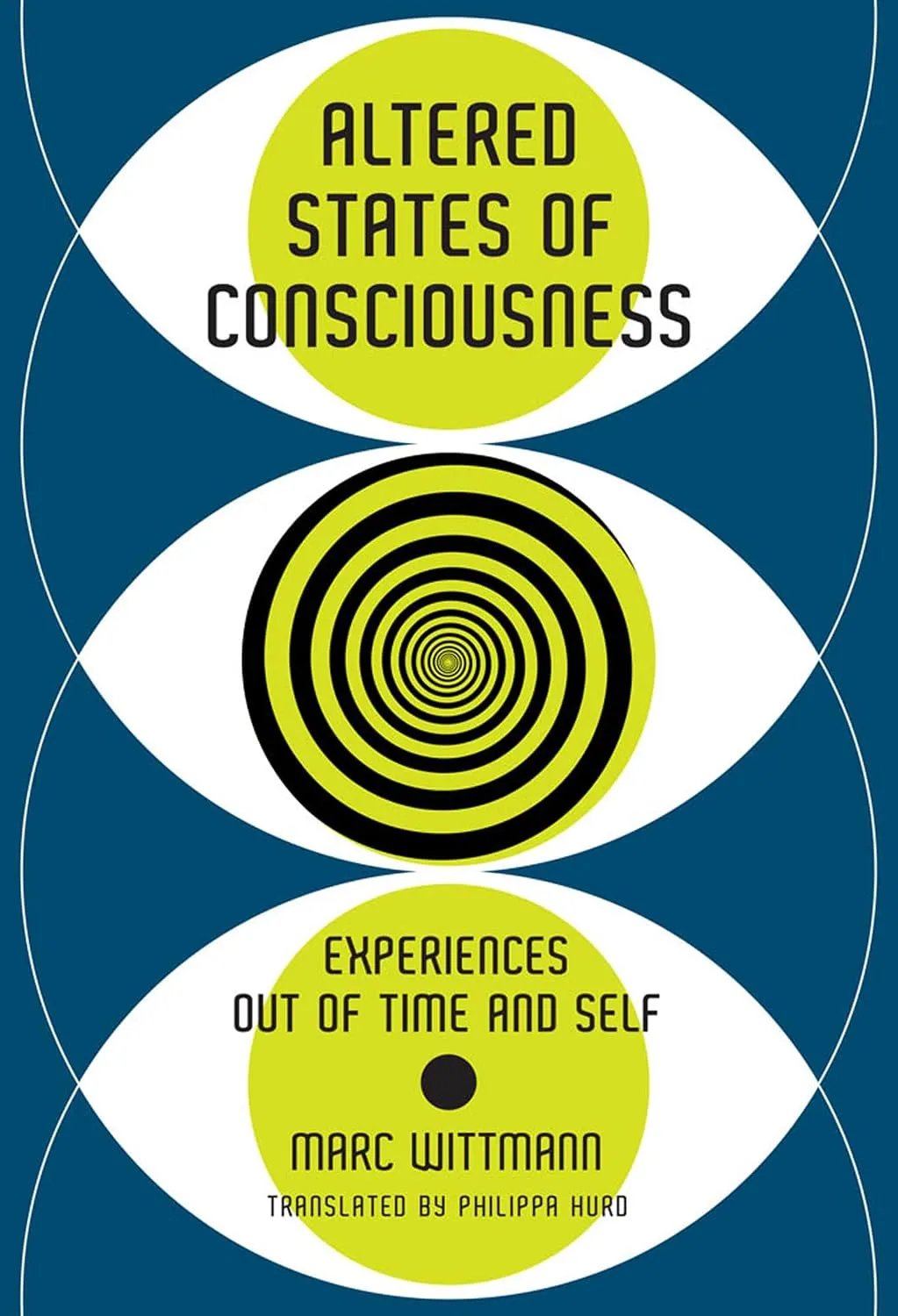
Altered States of Consciousness: Experiences Out of Time and Self
By Marc Wittmann
A groundbreaking study explores how altered states of consciousness, such as those experienced during shock, meditation, or drug use, reveal insights into the nature of consciousness. The author, Marc Wittmann, discusses the close relationship between the perception of time and self, examining how extreme experiences can distort these perceptions. He also highlights research on psychedelics and their potential therapeutic uses for conditions like depression and anxiety, arguing that understanding these altered states is crucial for unraveling the mystery of consciousness.
- Kind
- Book21 books in the bank
- Published
- 2018Where it sits among everything in the Knowledge Bank, by year
- Author
Topics
Summary
About the book
A groundbreaking study of what altered states of consciousness—the dissolution of feelings of time and self—can tell us about the mystery of consciousness, perfect for readers interested in psychedelics, brain science, and meditation.
During extraordinary moments of consciousness—shock, meditative states and sudden mystical revelations, out-of-body experiences, or drug intoxication—our senses of time and self are altered; we may even feel time and self dissolving. These experiences have long been ignored by mainstream science, or considered crazy fantasies. Recent research, however, has located the neural underpinnings of these altered states of mind. In this book, neuropsychologist Marc Wittmann shows how experiences that disturb or widen our everyday understanding of the self can help solve the mystery of consciousness.
Wittmann explains that the relationship between consciousness of time and consciousness of self is close; in extreme circumstances, the experiences of space and self-intensify and weaken together. He considers the emergence of the self in waking life and dreams; how our sense of time is distorted by extreme situations ranging from terror to mystical enlightenment; the experience of the moment; and the loss of time and self in such disorders as depression, schizophrenia, and epilepsy. Dostoyevsky reported godly bliss during epileptic seizures; neurologists are now investigating the phenomenon of the epileptic aura. Wittmann describes new studies of psychedelics that show how the brain builds consciousness of self and time, and discusses pilot programs that use hallucinogens to treat severe depression, anxiety, and addiction.
If we want to understand our consciousness, our subjectivity, Wittmann argues, we must not be afraid to break new ground. Studying altered states of consciousness leads us directly to the heart of the matter: time and self, the foundations of consciousness.
Related
More like this
Virtual Reality as a Tool for End-of-Life Anxiety and Pain with Gregory Roufa and Lama Karma
The podcast discusses the use of virtual reality as a tool to alleviate end-of-life anxiety and pain, featuring insights from Gregory Roufa and Lama Karma. It explores the intersection of technology, spirituality, and the human experience of death.

David Glowacki,“La idea de vivir 500 años me asusta más que la muerte”
David Glowacki, físico, trabaja en un proyecto que utiliza realidad virtual para recrear experiencias cercanas a la muerte en pacientes con enfermedades graves, con el fin de reducir su ansiedad sobre la muerte y transformar su relación con la mortalidad. Se menciona que aproximadamente el 5% de la población ha tenido tales experiencias, las cuales suelen cambiar profundamente su comprensión de la vida y la muerte.

The CHT Perspective
Center for Humane Technology aims to ensure that powerful technologies develop with accountability, focusing on how technology can better serve society. They bridge the gap between complex technological systems and their societal impacts, exposing the hidden incentives behind significant technologies like social media and artificial intelligence to prevent misalignment.
- Editor
- Not recorded yet
- Last reviewed
- Not reviewed yet
Conversation
Share your experience of it
What it was like, what helped, what you would tell someone before they try it.