Knowledge · Research paper
Virtual Reality and Empathy
By Sofia Seinfeld, Béatrice S. Hasler, Domna Banakou, Jonathan Levy
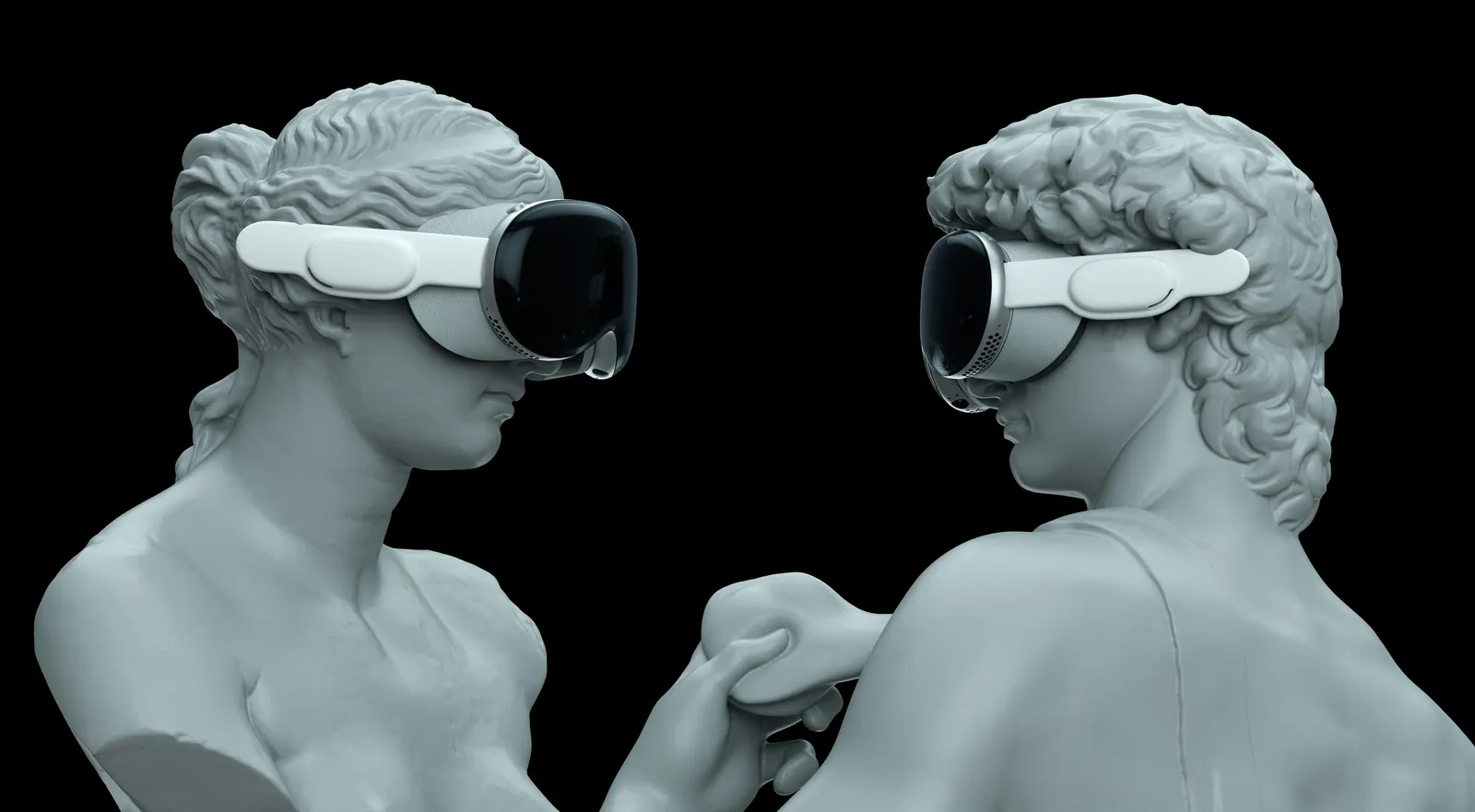
Virtual reality (VR) has the potential to enhance empathy through immersive experiences, but empirical evidence is limited. This research topic explores how VR experiences can be designed to foster empathy, the consequences of such experiences, and the conditions under which they may lead to negative effects. It invites contributions on psychological models, design factors, measurement innovations, neuroscientific insights, practical implications, and ethical considerations related to VR as an "empathy machine."
- Kind
- Research paper35 research papers in the bank
- Published
- 2022Where it sits among everything in the Knowledge Bank, by year
- Authors
Topics
Abstract
About the paper
Virtual reality (VR) offers the unique possibility to create immersive experiences of another person’s or group’s reality and even to ‘become’ that person using virtual embodiment techniques. These qualities of VR to extend our ability to put ourselves in someone else’s shoes hold the promise of making us more empathetic. The idea of VR as an “empathy machine” has attracted the attention of the media in recent years, with an exploding number of initiatives that are built on this narrative. Nonetheless, empirical evidence for the empathy-enhancing potential of VR is still sparse, and the "empathy machine" has come under scrutiny due to inconsistent findings. Moving beyond the question of whether or not VR can be a potential "empathy machine", this Research Topic focuses on questions, such as:
- How do VR experiences need to be designed in order to enhance empathy?
- What are the consequences that emerge from it?
- Can it backfire, and under what conditions does it lead to negative effects?
- How do we define and measure empathy in such studies?
- What is the applied potential of such VR-based interventions?
Understanding the potential and limitations of VR to create empathy and foster positive attitude and behavior change requires an interdisciplinary approach that integrates psychological and neuroscientific evidence as well as technical, methodical and media-related aspects. This Research Topic aims to create a critical discourse on the power of VR to create empathy and to challenge common assumptions in order to refine and advance the research agenda in this field.
We invite empirical, conceptual, or methodological contributions on the empathy-enhancing potential of VR and other immersive technologies in interpersonal and intergroup contexts. Possible topics include but are not limited to:
- Psychological models of how and when VR leads to empathy and positive change;
- Design factors of VR experiences that can enhance or decrease empathy;
- Methodical innovations in measuring empathy and related concepts in VR experiences and interventions;
- Neuroscientific data or concepts addressing the potential of VR for these considerations;
- Applied research and practical implications of VR-based interventions;
- Ethical and philosophical questions related to the implications of using immersive technologies as ‘empathy machines.’
Related
More like this
VR vs. Lumena's Reflective Chamber (MindGym)
A study from the Institute for Advanced Consciousness Studies reveals that anxiety-reducing experiences in a new reflective chamber called MindGym can be effectively translated into virtual reality formats, enhancing accessibility for anxiety management tools.
Enosis Therapeutics wants to optimise psychedelic therapy with VR
Enosis Therapeutics and Psylo are leveraging technology in Australia to advance medicinal psychedelic therapy, with Enosis focusing on virtual reality tools for integration therapy and Psylo developing non-hallucinogenic synthetic compounds. Australia has become the first country to legalize psychedelic-assisted therapies for conditions like treatment-resistant depression and PTSD.

Shrooms Won’t Make You Believe in God, But They Might Convince You That Robots Have Feelings
A study from Johns Hopkins University indicates that a single psilocybin experience is unlikely to convert atheists to belief in God or alter perceptions of free will. However, it may lead individuals to perceive consciousness in animals, plants, and even inanimate objects like robots. Participants showed slight shifts in attributing consciousness to certain creatures, but their religious and metaphysical beliefs remained largely unchanged.
- Editor
- Not recorded yet
- Last reviewed
- Not reviewed yet
Conversation
Share your experience of it
What it was like, what helped, what you would tell someone before they try it.