Explore
Knowledge
Papers, articles, books, videos and tools on technology, art and consciousness, collected and summarised.

AI and the Edge of the Unknown
AI is evolving rapidly, challenging human concepts of creativity, intuition, and self-awareness. We are nearing a technological singularity where AI's growth outpaces human understanding, leading to unpredictable futures. Key questions arise about AI's potential discoveries and how to align future developments with human values amidst this transformation.
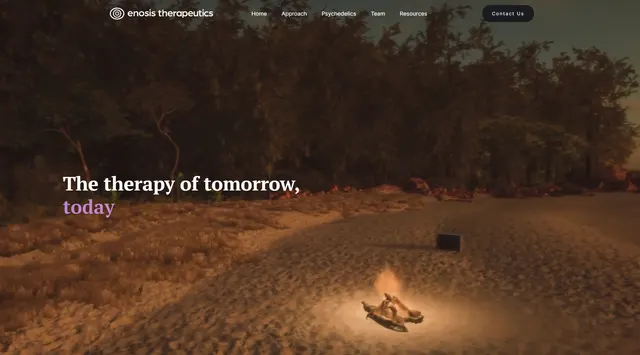
Enosis Therapeutics wants to optimise psychedelic therapy with VR
Enosis Therapeutics and Psylo are leveraging technology in Australia to advance medicinal psychedelic therapy, with Enosis focusing on virtual reality tools for integration therapy and Psylo developing non-hallucinogenic synthetic compounds. Australia has become the first country to legalize psychedelic-assisted therapies for conditions like treatment-resistant depression and PTSD.

Shrooms Won’t Make You Believe in God, But They Might Convince You That Robots Have Feelings
A study from Johns Hopkins University indicates that a single psilocybin experience is unlikely to convert atheists to belief in God or alter perceptions of free will. However, it may lead individuals to perceive consciousness in animals, plants, and even inanimate objects like robots. Participants showed slight shifts in attributing consciousness to certain creatures, but their religious and metaphysical beliefs remained largely unchanged.
The CHT Perspective
Center for Humane Technology aims to ensure that powerful technologies develop with accountability, focusing on how technology can better serve society. They bridge the gap between complex technological systems and their societal impacts, exposing the hidden incentives behind significant technologies like social media and artificial intelligence to prevent misalignment.
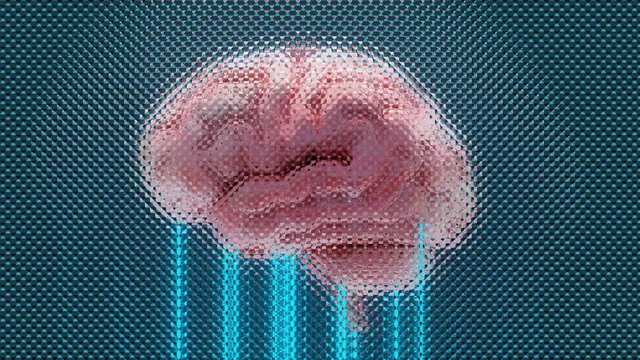
VR vs. Lumena's Reflective Chamber (MindGym)
A study from the Institute for Advanced Consciousness Studies reveals that anxiety-reducing experiences in a new reflective chamber called MindGym can be effectively translated into virtual reality formats, enhancing accessibility for anxiety management tools.