Explore
Knowledge
Papers, articles, books, videos and tools on technology, art and consciousness, collected and summarised.

Bringing Digital Psychedelics to Mental Health Providers
SoundSelf, a digital therapeutics company, has launched a community investment campaign on Wefunder to support innovative mental health therapy, combining ancient practices with modern technology to enhance treatments like ketamine.
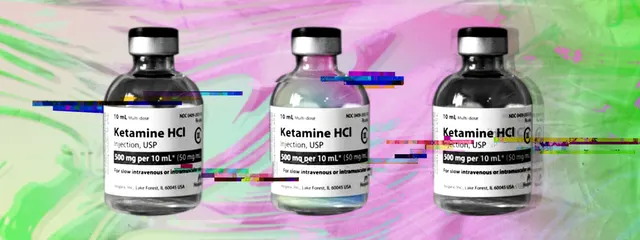
Could VR change how you trip on ketamine?
Ketamine, once viewed as a party drug, is gaining recognition for its therapeutic potential in treating pain, anxiety, and depression. Researchers are exploring how virtual reality technology could enhance the experience and effectiveness of ketamine therapy.
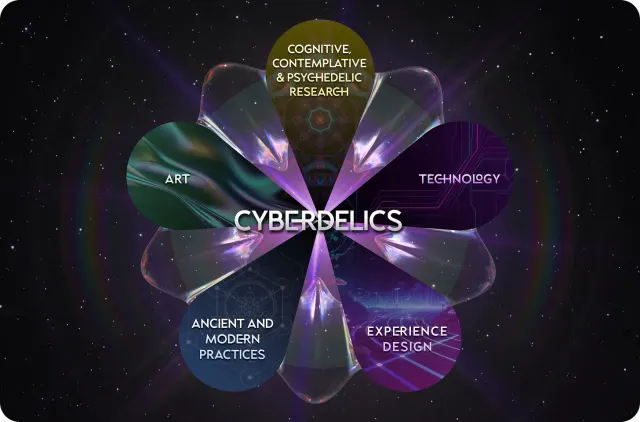
Cybernetics of the Self
The article introduces the concept of a cyberdelic stance, emphasizing conscious engagement with technology as feedback loops that can enhance wisdom and agency. It explores the evolution of cybernetics, merging it with psychedelia to highlight tools and practices that promote interconnection and co-creation, encouraging individuals to actively shape their experiences rather than being controlled by algorithms.
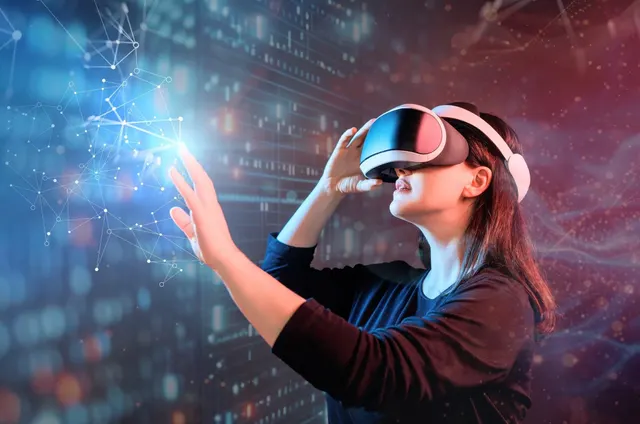
Digital hallucinations boost creativity - no drugs required
Researchers in Milan have developed a project called Cyberdelics, which combines immersive virtual reality and artificial intelligence to create digital hallucinations that mimic psychedelic experiences without the use of drugs. This technology helps users think differently and promotes relaxation.
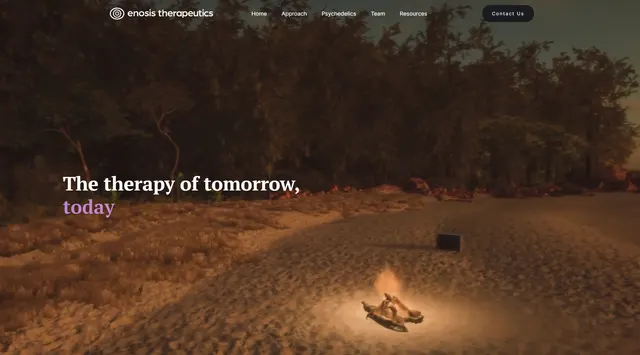
Enosis Therapeutics wants to optimise psychedelic therapy with VR
Enosis Therapeutics and Psylo are leveraging technology in Australia to advance medicinal psychedelic therapy, with Enosis focusing on virtual reality tools for integration therapy and Psylo developing non-hallucinogenic synthetic compounds. Australia has become the first country to legalize psychedelic-assisted therapies for conditions like treatment-resistant depression and PTSD.
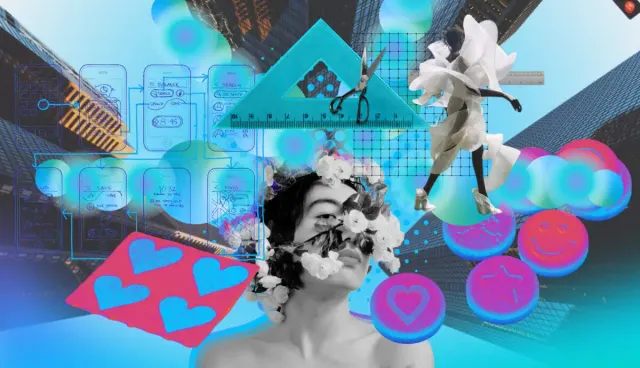
How Psychedelics Are Influencing Modern Design
Psychedelics are linked to creativity, influencing modern design by fostering unconventional problem-solving and inspiring empathic design systems. Notable figures like Steve Jobs have credited psychedelic experiences with shaping their design ethos, highlighting a growing trend in 2024 where designers use psychedelics to create connections among people and with the planet.
Integrating SoundSelf in Ketamine Clinics
Ketamine clinics, effective for treatment-resistant depression, can enhance patient outcomes by integrating immersive technologies like SoundSelf. This biofeedback and neuro-stimulation tool serves as an adjunctive intervention, potentially improving the therapeutic experience for patients undergoing ketamine therapy.

Magic, VR, and Ketamine & Internal Family Systems
Virtual reality is not a substitute for therapists; in-person human connections will become increasingly valuable as technology advances. Creative expression through art, music, or movement can preserve the depth of ineffable experiences, avoiding oversimplification through verbalization.
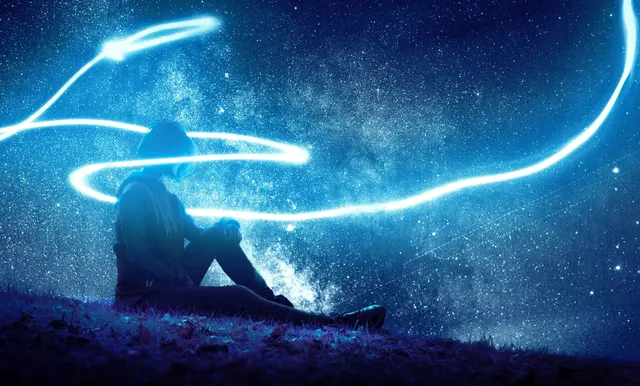
Psychedelics and Dreams: Non-Ordinary States of Consciousness
The relationship between psychedelics and dreams reveals their impact on consciousness and self-awareness, with both inducing dreamlike subjectivity that alters perception, cognition, and emotional experiences. They reflect the subconscious mind and often feature strong symbolism and archetypal imagery.
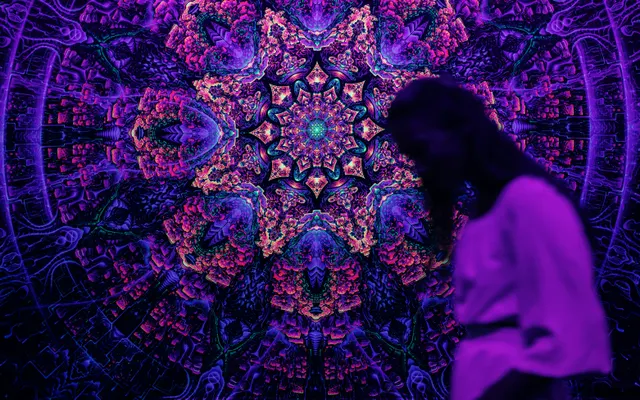
Psychedelics and Virtual Reality: Where Novel Experience, Technology, and Altered States of Consciousness Meet
Enosis Therapeutics explores the use of virtual reality, with or without psychedelics, to enhance mental health outcomes. They aim to address the challenge of retaining insights gained during psychedelic experiences by leveraging VR's immersive environments to create a unique state that helps patients anchor their experiences and understand their newfound insights more clearly.

Shrooms Won’t Make You Believe in God, But They Might Convince You That Robots Have Feelings
A study from Johns Hopkins University indicates that a single psilocybin experience is unlikely to convert atheists to belief in God or alter perceptions of free will. However, it may lead individuals to perceive consciousness in animals, plants, and even inanimate objects like robots. Participants showed slight shifts in attributing consciousness to certain creatures, but their religious and metaphysical beliefs remained largely unchanged.
The Technodelic Manifesto
Technodelics aim to enhance mindfulness and connection in a world facing rising loneliness and depression. They focus on the present moment, using abstract audiovisual elements to stimulate the brain and engage the body in feedback loops. These experiences are immersive, reflective rather than prescriptive, and extend beyond screens into real-life settings, emphasizing the importance of ritual and ceremony.
VR vs. Lumena's Reflective Chamber (MindGym)
A study from the Institute for Advanced Consciousness Studies reveals that anxiety-reducing experiences in a new reflective chamber called MindGym can be effectively translated into virtual reality formats, enhancing accessibility for anxiety management tools.
What It's Like to Take a Psychedelic Trip Without Drugs
A journalist explores the Reality Center in Santa Monica, which uses light, sound, and vibration to create psychedelic-like experiences without drugs. While the sessions provide stunning visuals and relaxation, they lack the depth of traditional psychedelic trips, raising concerns about the commercialization of psychedelic culture.

Why I've Never Mixed Weed With Virtual Reality
Combining virtual reality with cannabis may diminish the unique experiences each offers, as both have transformative qualities that can be compromised when mixed. The author reflects on their fascination with virtual reality since adolescence, influenced by cultural works like Snow Crash and Lawnmower Man.