Explore
Knowledge
Papers, articles, books, videos and tools on technology, art and consciousness, collected and summarised.
Amazon.com: Ethical Consciousness Technology: The Neo-Veridia Chronicles eBook : Hatcher, Alan: Tienda Kindle
An eBook by Alan Hatcher, published in 2025, explores themes of art, culture, future, science, science fiction, and technology, and is available on Kindle.
Amazon.com: The Media Lab: Inventing the Future at M.I.T
Explores the future envisioned by the Media Lab at MIT, focusing on how scientists are reshaping mass media to cater to individual desires and preferences.
Blade Runner
In a post-apocalyptic future, where Earth is devastated by war and species extinction, humans covet living creatures and companies create lifelike androids. Rick Deckard, a bounty hunter, is tasked with hunting down rogue androids that have been banned from Earth, leading to dangerous confrontations as these artificial beings fight back to survive.
From Counterculture to Cyberculture
Fred Turner shows how the 1960s counterculture and the Whole Earth network influenced digital utopianism, virtual communities, and personal computing, highlighting the cultural link between psychedelic ideas and the rise of networked technology.
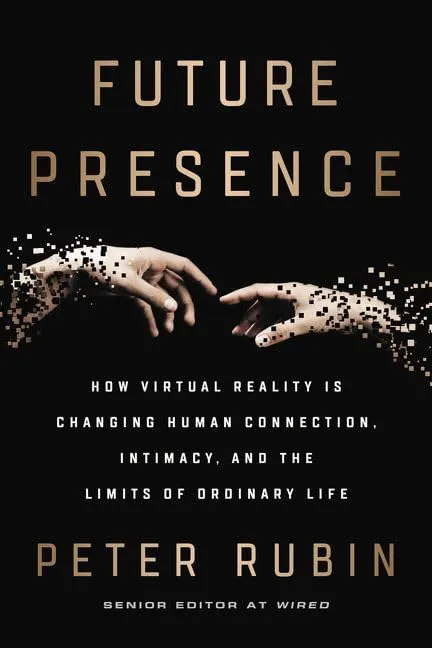
Future Presence: How Virtual Reality Is Changing Human Connection, Intimacy, and the Limits of Ordinary Life
Virtual reality is set to revolutionize human connection and intimacy, enabling individuals to experience sensations of closeness and trust independently for the first time. This technology, described as an "intimacy engine," will transform work, entertainment, and emotional experiences, fundamentally altering relationships and societal dynamics. The exploration includes insights from creators and users of VR, showcasing its current capabilities and future implications for empathy, relationships, and human interaction.
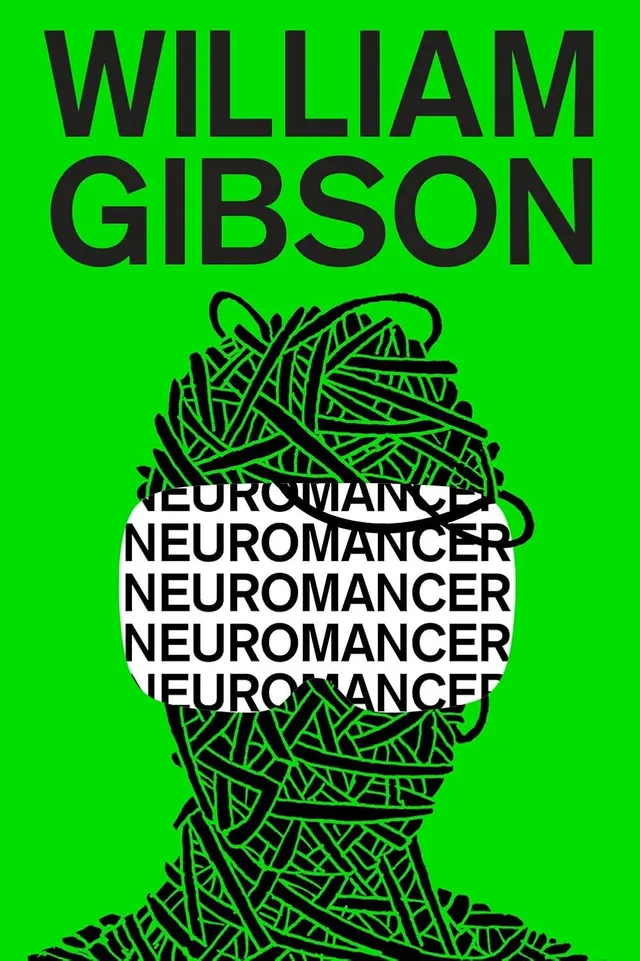
Neuromancer
A washed-up hacker named Henry Case, unable to access cyberspace due to a damaged nervous system, is recruited by a mysterious employer for a high-stakes heist involving powerful AIs. Alongside a cyborg mercenary, he navigates a gritty, dystopian future, exploring themes of humanity, technology, and identity.
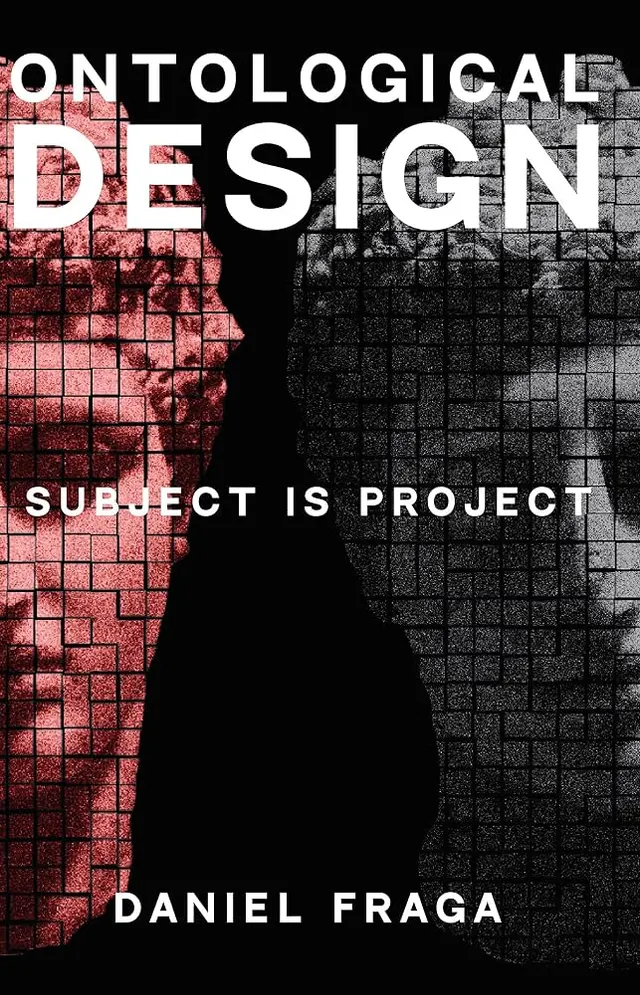
Ontological Design: Subject is Project
Ontological design focuses on designing human subjects through a feedback loop, emphasizing the need to adapt to the disruptions of technocapitalism. It frames the subject as a project influenced by social relations, behavior, and beliefs, aiming to engage with our sense of existence and reality while questioning and designing our understanding of it.
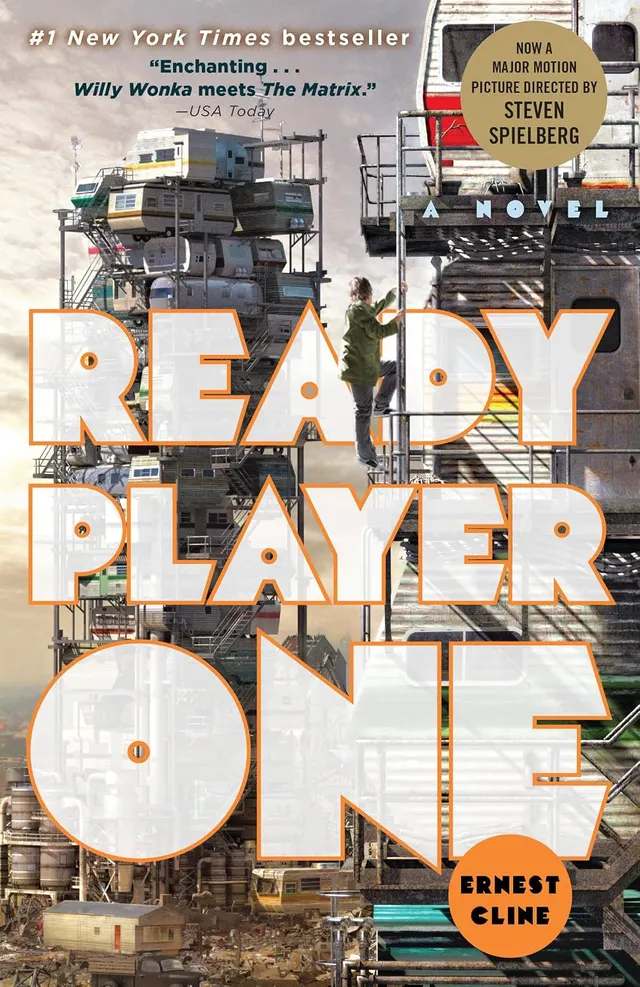
Ready Player One
In 2045, Wade Watts escapes a bleak reality by immersing himself in the OASIS, a vast virtual world. After the creator's death, he leaves behind challenging puzzles tied to pop culture, with the winner inheriting his fortune and control of the OASIS. As Wade solves the first clue, he faces deadly rivals in a race for survival and the ultimate prize.
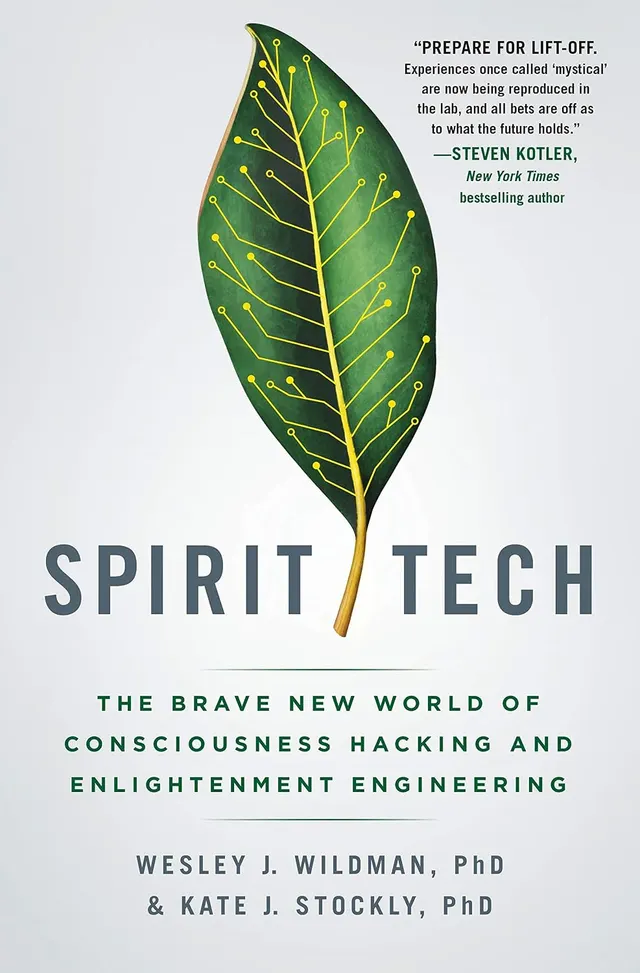
Spirit Tech: The Brave New World of Consciousness Hacking and Enlightenment Engineering
Explores the intersection of technology and spirituality, highlighting innovations like wearables for meditation, the "God Helmet" for enhancing psychic abilities, and psychedelic tourism. It examines ethical considerations and the transformative potential of "spirit tech" in personal growth and religious practices, providing insights into a rapidly evolving landscape of consciousness hacking.
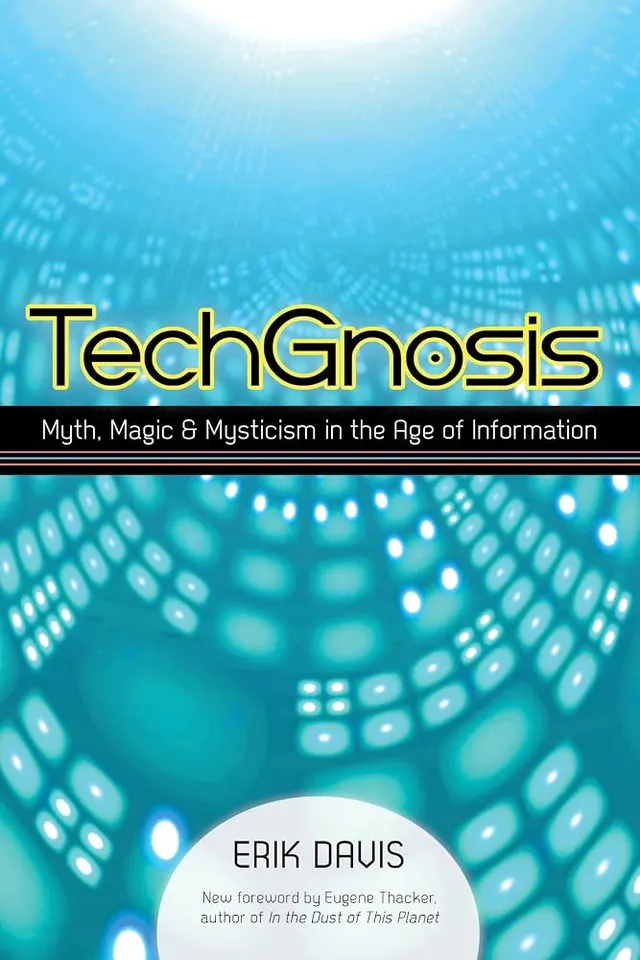
TechGnosis: Myth, Magic & Mysticism in the Age of Information
Erik Davis explores the intersection of technology and spirituality, revealing how religious and esoteric ideas influence technological communication. He connects topics like electricity and alchemy, online gaming and occult practices, and virtual reality with gnostic mythology. The work also discusses apocalyptic visions related to technology, offering historical context and insights into a future where mind and machine intertwine.
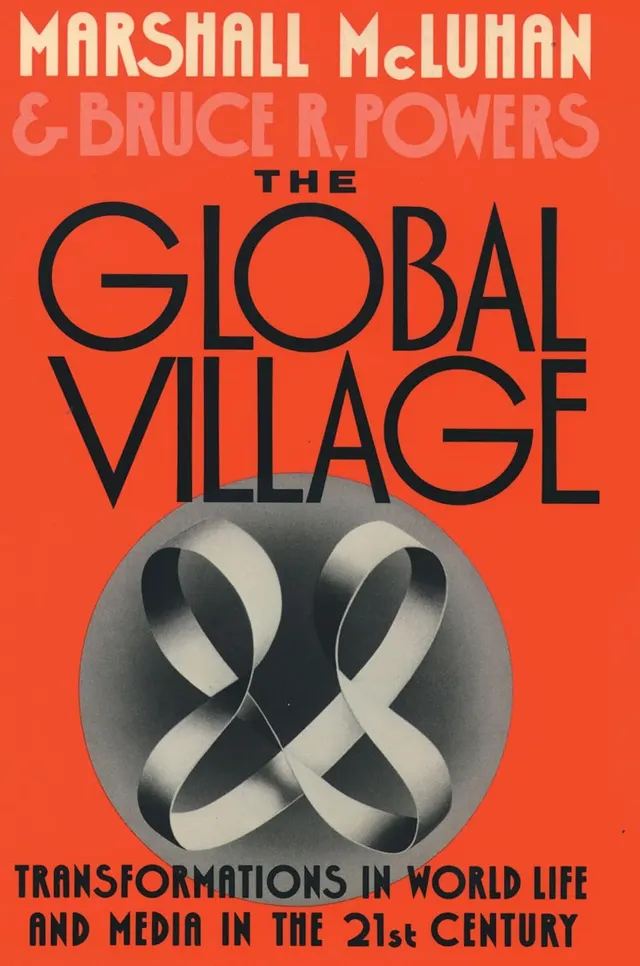
The Global Village: Transformations in World Life and Media in the 21st Century
The authors explore the clash between Visual Space, a linear perception typical of the West, and Acoustic Space, a holistic view common in the East, in the context of today's global communications. They argue that technological advancements are pushing users towards a more dynamic understanding of the world, but warn that this transition may be challenging. Using McLuhan's Tetrad framework, they analyze the implications of these competing worldviews and emphasize the importance of understanding both to achieve peace.
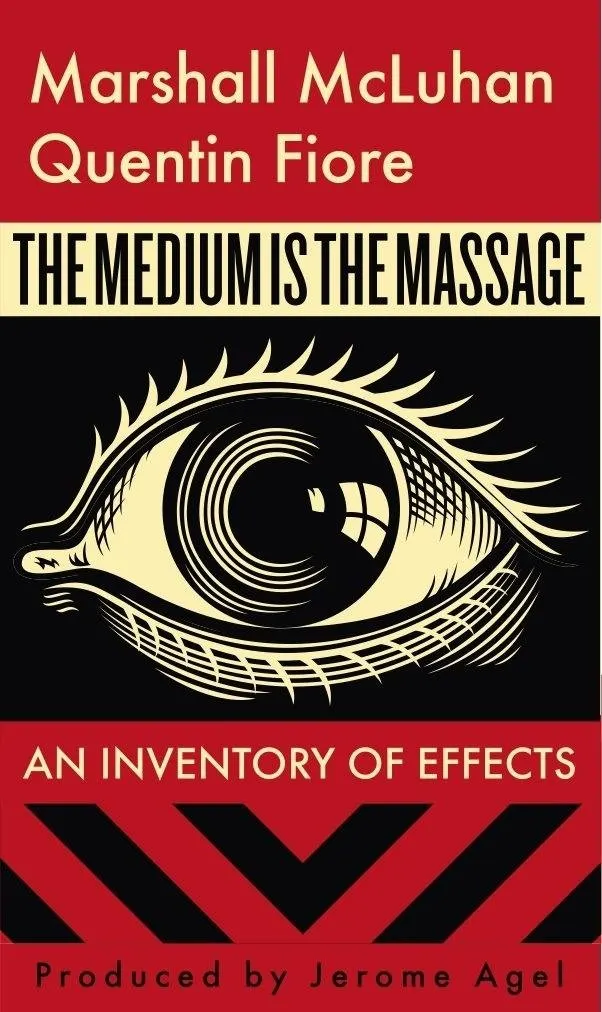
The Medium is the Massage
Marshall McLuhan's work emphasizes that media profoundly shape society beyond just their content, influencing personal and social aspects. Despite the enjoyment derived from mainstream media, it masks deeper societal anxieties due to incongruities between technology and society. His insights are increasingly relevant in the context of the digital revolution and the internet's rise.
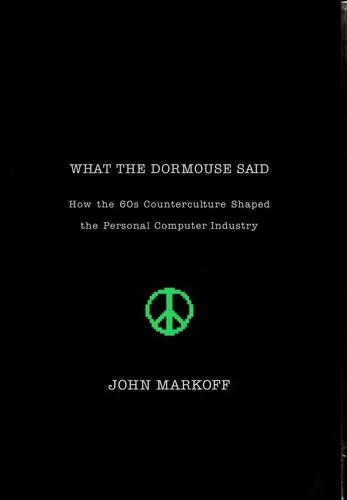
What the Dormouse Said
John Markoff shows how 1960s counterculture and expanded consciousness shaped the personal‑computer industry, linking psychedelic culture, information technology, and the belief that computers can broaden human freedom.