
Knowledge · Research paper
Altered states phenomena induced by visual flicker light stimulation
By Marie Therese Bartossek; Johanna Kemmerer; Timo Torsten Schmidt
A study of 24 participants found that 3 Hz and 10 Hz flicker-light stimulation can produce vivid visual hallucinations and altered-state experiences, focusing on short-term subjective effects rather than long-term benefits or clinical efficacy.
- Kind
- Research paper39 research papers in the bank
- Published
- 2021Where it sits among everything in the Knowledge Bank, by year
- Author
Topics
Abstract
About the paper
This 2021 peer-reviewed study examines subjective effects of 3 Hz and 10 Hz flicker-light stimulation in a within-subjects design with 24 participants. It reports vivid visual hallucinations and altered-state ratings, while its scope is short-term phenomenology and measurement rather than long-term benefit or clinical efficacy.
Related
More like this

Flicker light stimulation enhances the emotional response to music: a comparison study to the effects of psychedelics
Flicker light stimulation (FLS) enhances emotional responses to music, similar to the effects of psychedelics. In a study with twenty participants, FLS significantly increased reported emotions, particularly "Joyful Activation," and intensity of FLS correlated with higher emotional arousal. These findings suggest further exploration of FLS as a method for inducing altered states of consciousness and its interaction with music-evoked emotions.
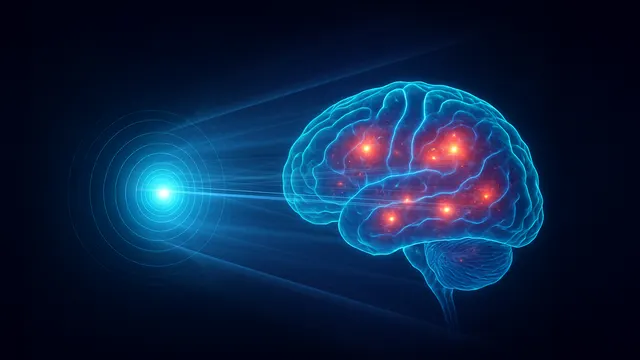
Basics of Flickering Light & Pulsed Sound Brain Signaling
Flickering light and pulsed sound serve as neuromodulation signals that can synchronize brainwaves or promote adaptive neuroplastic change. The article differentiates between predictable stimulation, which elicits a frequency-following response, and more complex signaling that incorporates surprise and challenge to foster healthier patterns of attention, mood, and cognition.

Autonomic indicators of self-transcendence: insights from the numadelic VR paradigm
HRV amplitude is identified as a physiological marker of self‑transcendent experiences during a “numadelic” VR paradigm, showing links to subjective self‑transcendence, compassion traits, and emotional improvement, though the study does not establish general clinical efficacy or long‑term effects.
- Editor
- Not recorded yet
- Last reviewed
- Not reviewed yet
Conversation
Share your experience of it
What it was like, what helped, what you would tell someone before they try it.