
Knowledge · Research paper
Sipping the virtual elixir: An autoethnographic close reading of Ayahuasca Kosmik Journey, a self-transcendent virtual experience
By Noah Miller, John Desnoyers-Stewart, Ekaterina R. Stepanova, Alexandra Kitson, Jim Bizzocchi, Bernhard E. Riecke
Self-transcendent experiences in ancient psychedelic ceremonies, like ayahuasca, can be explored through virtual reality (VR) as a legal alternative. An autoethnographic analysis of Ayahuasca Kosmik Journey reveals insights into the design and experience of cyberdelic interactions, highlighting themes of agency, embodiment, and self-transcendence. The study emphasizes the role of spatiality and sensory engagement in evoking profound emotional responses, while also addressing the limitations of immersive technology in replicating these experiences.
- Kind
- Research paper35 research papers in the bank
- Published
- 2022Where it sits among everything in the Knowledge Bank, by year
- Authors
Topics
Abstract
About the paper
Self-transcendent experiences are often an integral component of ancient cultural practices that use psychedelic substances during spiritual ceremonies, such as ayahuasca ceremonies. Yet, ayahuasca contains dimethyltryptamine (DMT), which is illegal in many countries. Due to its illegality, ayahuasca experiences are scarce despite potential benefits of increased quality of life and reduced psychopathology. Virtual reality (VR) can provide a safe and legal glimpse of psychedelic experiences, such as an ayahuasca ceremony.
These experiences may in turn evoke self-transcendent emotions without hallucinogenic substances, extending the power of art and technology to stimulate self-transcendence. To explore the potential, limits and experiential qualities that immersive experience design can afford for cyberdelic experiences, we conducted an autoethnographic close reading analysis of Atlas V’s Ayahuasca Kosmik Journey. Autoethnography allowed us to study complex and personal experiences while close reading connected those experiences to the design of the artefact. This allowed us to gain insights into the connections between design and experience and critically analyse the experience.
The resulting reflection unveiled prominent psychological lenses in our subjective experience, including agency, embodiment, discomfort and self-transcendent emotions. Our analysis explicates the paramount role of spatiality, the sensorium and theme with embodied interaction for the self-transcendent effects of vastness, the role of contrast in narrative transitions and how meaning is rooted in previous experiences. Our analysis unveils the potential and the limitations of immersive technology to emulate self-transcendent experiences through extending our senses and transcending the self.
Related
More like this
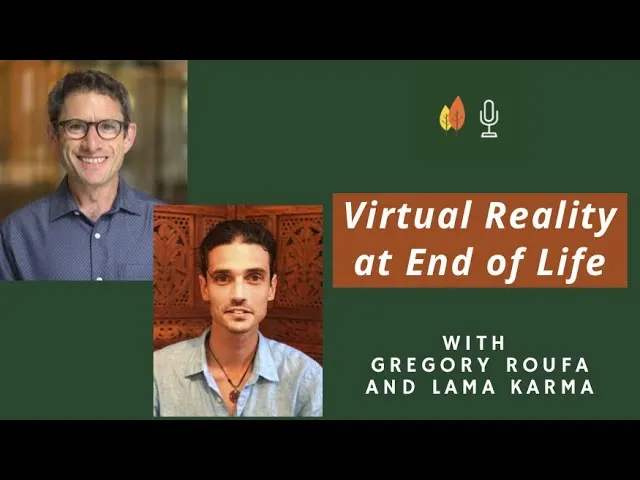
Virtual Reality as a Tool for End-of-Life Anxiety and Pain with Gregory Roufa and Lama Karma
The podcast discusses the use of virtual reality as a tool to alleviate end-of-life anxiety and pain, featuring insights from Gregory Roufa and Lama Karma. It explores the intersection of technology, spirituality, and the human experience of death.

Exploring Peak Experiences through Multi-Sensory Extended Reality
Research explores how Multi-Sensory Extended Reality (MSXR) can induce Peak Experiences and altered states of consciousness to improve mental health. The study uses a qualitative phenomenological approach to capture participants' experiences and perceived therapeutic benefits, aiming to enhance the role of immersive technologies in mental health interventions and contribute to counseling psychology and consciousness studies.
Digital hallucinations boost creativity - no drugs required
Researchers in Milan have developed a project called Cyberdelics, which combines immersive virtual reality and artificial intelligence to create digital hallucinations that mimic psychedelic experiences without the use of drugs. This technology helps users think differently and promotes relaxation.
- Editor
- Not recorded yet
- Last reviewed
- Not reviewed yet
Conversation
Share your experience of it
What it was like, what helped, what you would tell someone before they try it.