Theme
Virtual Reality
0 experiences and 50 knowledge items.
50 knowledge items
Reading, watching and tools on Virtual Reality
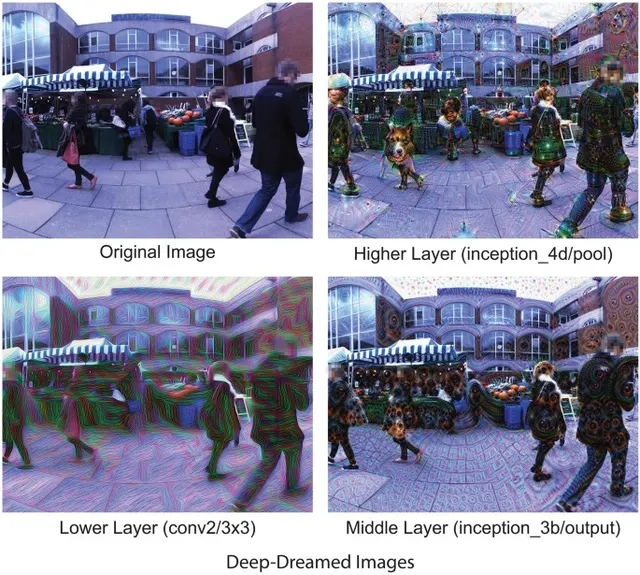
A Deep-Dream Virtual Reality Platform for Studying Altered Perceptual Phenomenology - Scientific Reports
A novel tool called the Hallucination Machine combines deep convolutional neural networks and panoramic VR to simulate visual hallucinatory experiences, mimicking the phenomenology of psychedelics without altering neurophysiology. Experiments show it induces similar visual effects but does not produce the temporal distortions typically associated with altered states.

A predictive coding approach to psychedelic virtual-induced hallucinations and creative cognition in aging
Recent research explores the potential of psychedelics in enhancing cognitive flexibility and creativity, particularly through Virtual Reality (VR) simulations. This approach may help counteract cognitive decline in aging, as it optimizes the balance between expectations and sensory information, thereby supporting creative cognition and maintaining cognitive functions.

AltVR
AltVR is a YouTube channel focused on art, culture, future, philosophy, psychology, science, spirituality, technology, and virtual reality, launched in 2018. More information can be found at their URL: https://www.youtube.com/@AltVR_YouTube.
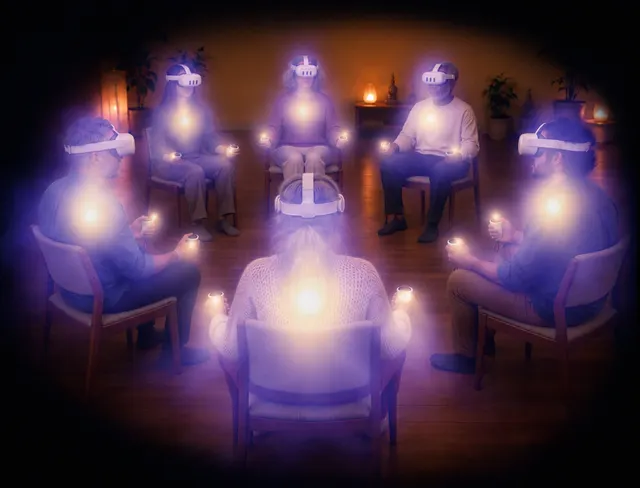
Autonomic indicators of self-transcendence: insights from the numadelic VR paradigm
HRV amplitude is identified as a physiological marker of self‑transcendent experiences during a “numadelic” VR paradigm, showing links to subjective self‑transcendence, compassion traits, and emotional improvement, though the study does not establish general clinical efficacy or long‑term effects.
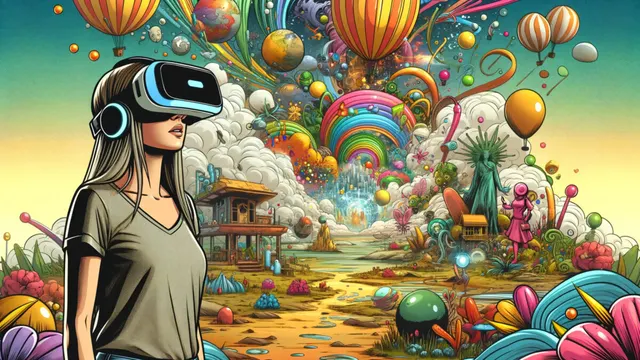
Believable Virtual Reality does not need high-end VR headsets — study
A study from the University of Bath reveals that emotional connection, rather than high-quality graphics or wide field of view, is key to immersion in virtual reality environments. Researchers explored how technical and human factors interact to influence users' sense of presence in VR.
Blockade Labs (Skybox Ai)
Blockade Labs offers Skybox AI, a tool for generating 360° environments and skyboxes using AI technology. The tool is part of a broader focus on AI and VR in 2023.

Brainwave Entrainment & The Frequency-Following Response of Light & Sound
The episode explores brainwave entrainment and how light and sound stimulation can influence brainwave activity through the frequency-following response.
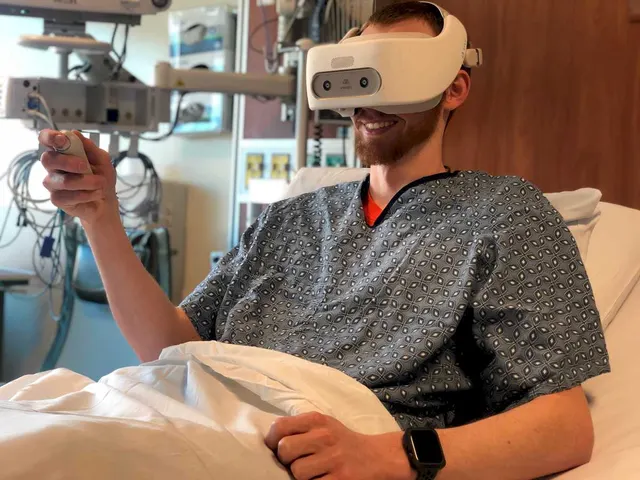
Clinical application of VR in patients with cardiovascular disease: state of the art
Cardiovascular disease remains a significant cause of morbidity and mortality, with patients experiencing various psychological symptoms, including anxiety and depression, which can impact recovery. Virtual reality (VR) technology has shown promise in improving psychological outcomes for patients with atherosclerotic cardiovascular disease (ASCVD) by providing immersive experiences that can alleviate distress and enhance recovery processes.
Cosmic Sugar, Brain Candy, Cyberdelics
Podcast discussing themes of art, culture, technology, and psychedelics, featuring insights into cyberdelia and virtual reality. Available on RTE Lyric FM's website.

Could VR change how you trip on ketamine?
Ketamine, once viewed as a party drug, is gaining recognition for its therapeutic potential in treating pain, anxiety, and depression. Researchers are exploring how virtual reality technology could enhance the experience and effectiveness of ketamine therapy.

Cyberdelic Nexus Newsletter
The Cyberdelic Nexus Newsletter covers topics related to art, culture, cyberdelia, science, spirituality, technology, and virtual reality. It includes a link to the newsletter and mentions related content.

Cyberdelics: Virtual reality hallucinations modulate cognitive-affective processes
This open-access research article tests hallucinated visual virtual experiences (HVVEs) created with Google DeepDream in immersive VR. In 50 healthy participants, the study measured cognitive flexibility, inhibitory control, affective response, flow, anxiety, and autonomic activity after a control VR experience and its hallucinated counterpart. HVVEs improved cognitive flexibility and inhibitory control while producing a mixed affective and autonomic profile, including reduced positive affect and state anxiety, lower heart rate and sympathetic activity, and increased flow absorption.
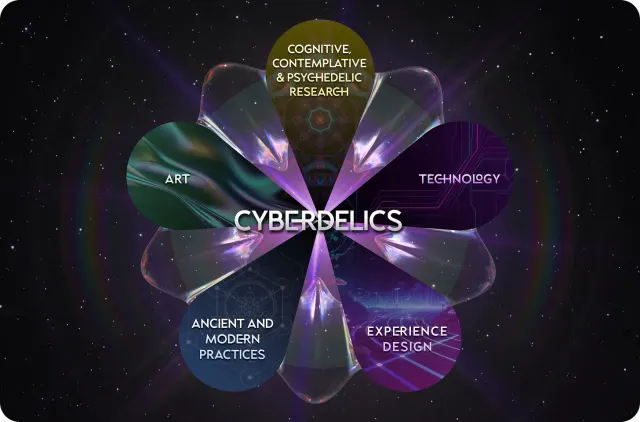
Cybernetics of the Self
The article introduces the concept of a cyberdelic stance, emphasizing conscious engagement with technology as feedback loops that can enhance wisdom and agency. It explores the evolution of cybernetics, merging it with psychedelia to highlight tools and practices that promote interconnection and co-creation, encouraging individuals to actively shape their experiences rather than being controlled by algorithms.

Designing Mind(set) and Setting for Profound Emotional Experiences in Virtual Reality
Virtual reality can facilitate profound emotional experiences, such as awe, by considering the influence of "set and setting," which includes mindset and the environment. A design refinement process revealed insights on user experience and behavioral measures related to awe, contributing to understanding how these factors enhance emotional experiences in VR.
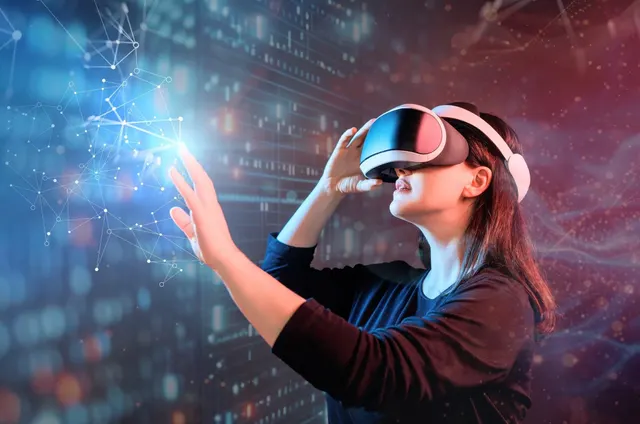
Digital hallucinations boost creativity - no drugs required
Researchers in Milan have developed a project called Cyberdelics, which combines immersive virtual reality and artificial intelligence to create digital hallucinations that mimic psychedelic experiences without the use of drugs. This technology helps users think differently and promotes relaxation.

Dreamseed VR - YouTube
Dreamseed VR is a YouTube channel created by Sarah Phinn in 2018, focusing on topics related to culture, philosophy, psychedelics, science, technology, and virtual reality. The channel can be accessed at the provided URL.
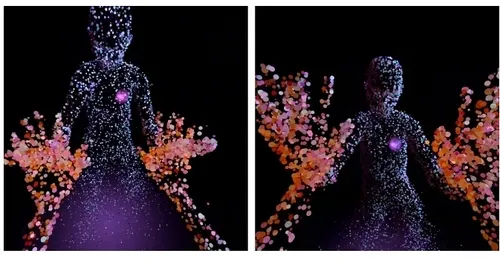
Embodied Telepresent Connection (ETC): Exploring Virtual Social Touch Through Pseudohaptics
The research explores the use of pseudo-haptics to create an embodied illusion of social touch in virtual reality through a prototype called ETC. It involves interaction patterns that simulate touch using visuals, sounds, and biosignal representation. Initial observations from events and workshops indicate that this approach can foster a subtle yet intimate experience of virtual social connection.
Emotional Beasts
Advancements in VR and physiological sensing enable immersive communication through lifelike avatars. The proposed solution involves integrating bio-signal sensors to detect users' emotional states and creating expressive avatars, termed Emotional Beasts. This approach aims to enhance self-expression and emotional connection in VR, moving beyond surface-level experiences to foster deeper human interactions.

Exploring Peak Experiences through Multi-Sensory Extended Reality
Research explores how Multi-Sensory Extended Reality (MSXR) can induce Peak Experiences and altered states of consciousness to improve mental health. The study uses a qualitative phenomenological approach to capture participants' experiences and perceived therapeutic benefits, aiming to enhance the role of immersive technologies in mental health interventions and contribute to counseling psychology and consciousness studies.
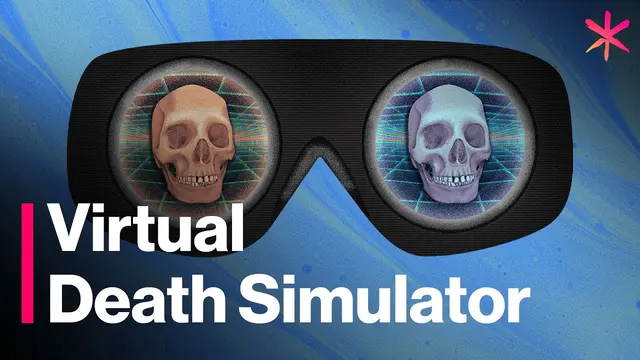
Facing the Fear of Death in Virtual Reality
A video explores the theme of confronting the fear of death through the lens of virtual reality, highlighting its implications for society and technology.
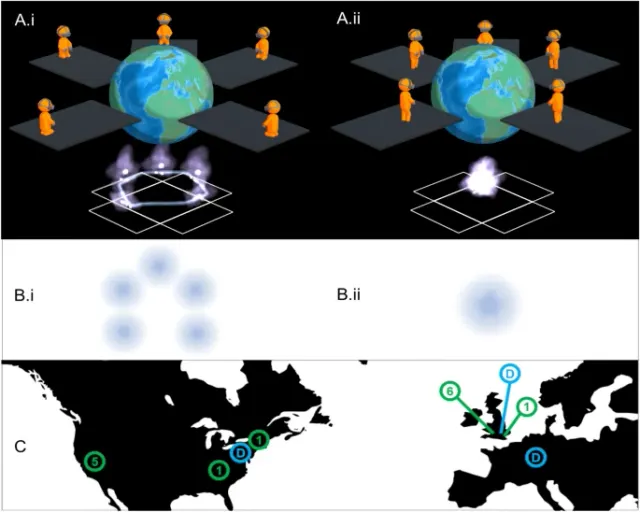
Group VR experiences can produce ego attenuation and connectedness comparable to psychedelics
Research explores the potential of virtual reality (VR) to create self-transcendent experiences (STEs) similar to those induced by psychedelics. Using a framework called 'Isness-distributed', participants in shared VR spaces experience a blurring of self-other boundaries, leading to moments of 'energetic coalescence'. Analysis of 58 participants showed that the subjective experiences in VR were statistically comparable to those reported in psychedelic studies, indicating VR's capability to facilitate intersubjective STEs that dissolve individual ego in connection with others.
How Immersion, Presence, Emotion, & Workload Differ in Virtual Reality and Traditional Game Mediums
This study assesses the differences in emotion, immersion, and presence between virtual reality and traditional gaming experiences. It explores how these factors influence perceived workload and emotional responses, aiming to provide statistical support for the immersive qualities of virtual reality, with implications for military training and consumer applications.
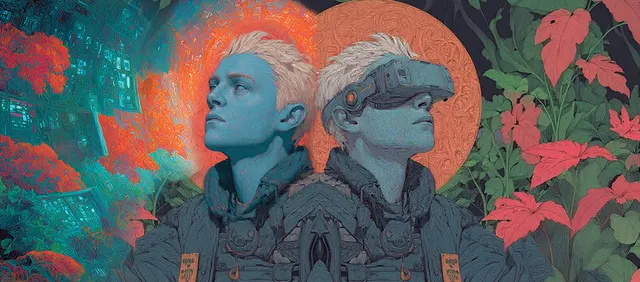
Hyperhumanism: Reclaiming Our Humanity in the Age of AI
Exploration of hyperhumanism emphasizes reclaiming humanity amidst advancements in AI, touching on themes of art, culture, philosophy, and spirituality, as discussed in a podcast featuring Carl Hayden Smith.
Invoking Double Consciousness with VR & Psychedelics + Navigating the New Screen Deal – Voices of VR Podcast
Discussion on the intersection of VR and psychedelics, exploring concepts like double consciousness and the implications of new screen technologies within the context of art, culture, and philosophy.

Invoking Psychedelic Embodiment Experiences in VR with Radix Motion’s “MEU” Asynchronous Communication Platform
Kent Bye’s XR taxonomy offers a working map of the diverse, evolving industry and a springboard for conversation, while acknowledging that no single framework can fully capture the range of human experiences.

Isness: Using Multi-Person VR to Design Peak Mystical Type Experiences Comparable to Psychedelics
This open-access CHI 2020 research article evaluates Isness, a multi-person VR journey in which participants experience their bodies as collective energetic essences. In a study of 57 participants using the MEQ30, reported mystical-type experiences were comparable to those in published high-dose psilocybin and LSD studies. The paper presents VR phenomenology as a possible route to connectedness, transcendence, and ineffability within a supportive setting; this is a comparison study, not evidence that VR pharmacologically reproduces psychedelics.

Muse Headband’s Real-Time Biofeedback for Immersive Meditation
Explores the Muse Headband’s real-time biofeedback for immersive meditation.

Orpheus Technodelics is Publishing Consciousness Hacking VR Experiences
Kent Bye’s XR taxonomy offers a working map of the diverse, evolving industry, built from hundreds of interviews and intended as a starting point for discussion and refinement.

Psychedelics & VR as Scaffolding to Reach Altered States of Consciousness + Experiential Medicine + Latent Human Potentials
Kent Bye proposes an evolving taxonomy to map the diverse XR industry and help newcomers understand it, drawing on interviews with hundreds of people. The framework is an open starting point for discussion, not a definitive map.

Ready Player One
In 2045, Wade Watts escapes a bleak reality by immersing himself in the OASIS, a vast virtual world. After the creator's death, he leaves behind challenging puzzles tied to pop culture, with the winner inheriting his fortune and control of the OASIS. As Wade solves the first clue, he faces deadly rivals in a race for survival and the ultimate prize.

Research Cyberdelics: Context engineering psychedelics for altered traits
Cyberdelics and Cyberdelic Psychotherapy can enhance therapeutic psychedelic experiences through context engineering, which restructures perception and cognition. This approach aims to optimize psychedelic-assisted therapy by utilizing virtual and augmented environments, game mechanics, and principles from positive psychology and mindfulness, potentially aiding in personal growth and mental health recovery.
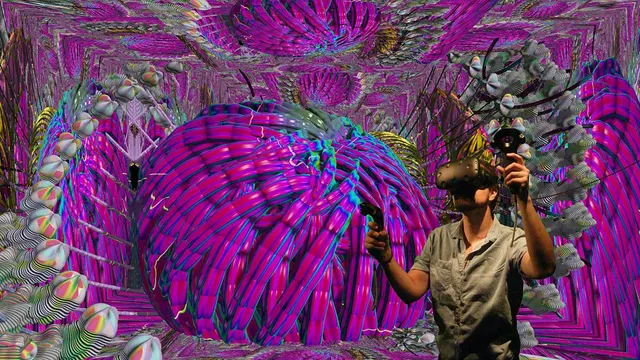
Rift Into The Mind
A Reddit channel titled "Rift Into The Mind" focuses on culture, psychedelics, technology, and virtual reality, created by JonesRG in 2014. It features related content and links for further exploration.

Sipping the virtual elixir: An autoethnographic close reading of Ayahuasca Kosmik Journey, a self-transcendent virtual experience
Self-transcendent experiences in ancient psychedelic ceremonies, like ayahuasca, can be explored through virtual reality (VR) as a legal alternative. An autoethnographic analysis of Ayahuasca Kosmik Journey reveals insights into the design and experience of cyberdelic interactions, highlighting themes of agency, embodiment, and self-transcendence. The study emphasizes the role of spatiality and sensory engagement in evoking profound emotional responses, while also addressing the limitations of immersive technology in replicating these experiences.
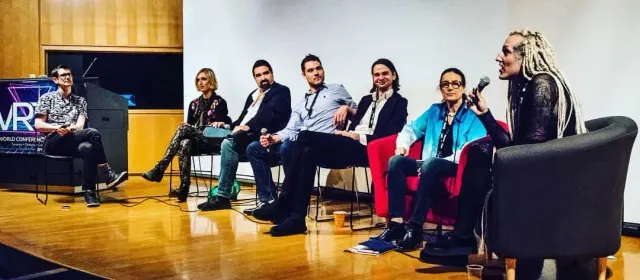
Six Psychonauts on VR, Psychedelics, & Consciousness Transformation
Six psychonauts explore how virtual reality and psychedelics may transform consciousness, touching on altered states, phenomenology, culture, philosophy, and technology.

SoundSelf & The Technodelic Manifesto: Using VR to Transform Consciousness - Voices of VR Podcast
A working taxonomy can help map the diverse, rapidly changing XR industry and guide newcomers, but it remains an evolving framework open to feedback and discussion.

Technodelic Transformation: A Study on Virtual Reality for Psychological Well-Being
Research confirms the efficacy of Virtual Reality (VR) in treating mental health disorders, highlighting its potential as an embodied medicine for transformative experiences similar to psychedelics. The study investigates the effects of SoundSelf VR, focusing on its impact on psychological well-being, transformative processes, and the relationship between non-ordinary states of consciousness and mental health, using a participatory research methodology.

The Experience of Presence: Factor Analytic Insights
Presence in virtual environments develops from constructing a spatial-functional mental model through bodily action representation and sensory input suppression. Two studies confirmed that presence reflects spatial presence, involvement, and a third component of "realness." A thirteen-item presence scale was developed, distinguishing between presence, immersion, and interaction factors.
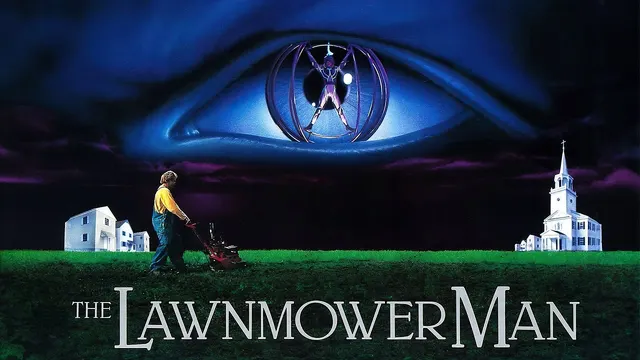
The Lawnmower Man
A 1992 movie directed by Brett Leonard, featuring themes of cyberpunk, psychology, and technology, particularly in virtual reality. The film has a rating of 5.4 and falls under the horror and sci-fi genres.

The Mediating Effect of the Flow Experience
A theoretical model shows that immersion in virtual reality positively affects the flow experience among undergraduate art and design students, with flow mediating the learning experience through factors like motivation and cognitive benefits. This suggests potential for enhancing learning in academic institutions using VR technology.
Tripping on virtual reality: The artists trying to replicate psychedelic experiences in VR
Virtual reality can create unique altered states but cannot fully replicate psychedelic experiences; artists explore cyberdelic media that leverage VR’s strengths while acknowledging its limits, highlighting projects like the Hallucination Machine that simulate visual hallucinations yet fall short of inducing the deeper psychological, embodied, and spiritual effects of psychedelics.

Using Abstract VR Art for Neural Entrainment & Brain Research + Can Creative AI Become Conscious?
Kent Bye’s XR taxonomy maps the industry’s diverse landscape and human experiences, offering a work in progress and inviting feedback and discussion.

Using Real-Time Biofeedback & VR to Train Positive Thinking with Healium XR
Kent Bye’s work maps the diverse, evolving XR industry through interviews and a developing taxonomy, offered as a starting point for discussion and feedback.

Using VR as a Psychedelic Primer or Integration Tool with Andromeda Entertainment
Kent Bye presents a working taxonomy for mapping the diverse, evolving XR industry, intended as a guide and a starting point for discussion and feedback.

Using VR Horror as Fear Resistance Training + Sound Healing & Psychedelic Culture
Kent Bye’s evolving taxonomy maps the diverse XR industry and human experiences, offering a framework for newcomers and inviting feedback and discussion.
Virtual Existentialism: Meaning and Subjectivity in Virtual Worlds
Explores existence in virtual worlds through existentialism, emphasizing how technology and practices shape human perception, values, and beliefs. It highlights the potential of virtual environments to offer new perspectives and experiences, making it relevant for scholars in philosophy, anthropology, media studies, and digital game studies.
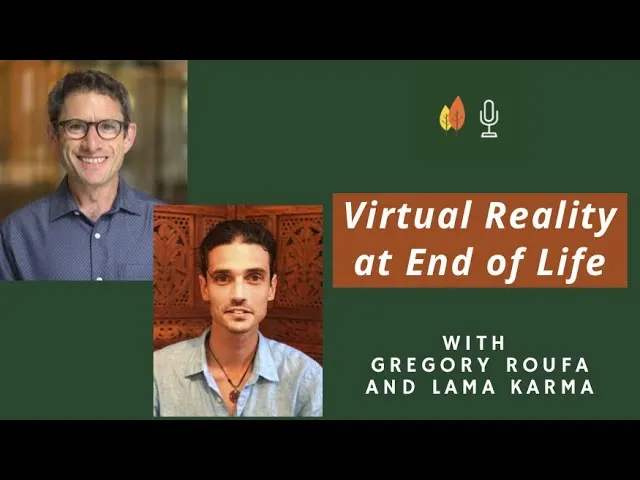
Virtual Reality as a Tool for End-of-Life Anxiety and Pain with Gregory Roufa and Lama Karma
The podcast discusses the use of virtual reality as a tool to alleviate end-of-life anxiety and pain, featuring insights from Gregory Roufa and Lama Karma. It explores the intersection of technology, spirituality, and the human experience of death.
Virtual reality relaxation for people with mental health conditions: a systematic review
This 2023 systematic review examines VR-based relaxation interventions for adults with mental health conditions. Across 18 studies involving 848 participants, it finds evidence of feasibility, acceptability, and short-term stress-reduction effects, while noting mixed study quality and the need for further research. The review concerns low-intensity relaxation interventions and does not establish altered-state induction or psychedelic-like effects.
Virtual reality: a powerful technology to provide novel insight into treatment mechanisms of addiction
Virtual reality (VR) is emerging as a significant tool in mental health research, particularly for studying addiction. It offers immersive environments that simulate real-life scenarios, allowing researchers to investigate factors like craving, psychophysiology, and cognition in addiction treatment. VR enables standardized experimental designs and personalized simulations, enhancing understanding of treatment mechanisms and potentially leading to more effective therapeutic strategies.
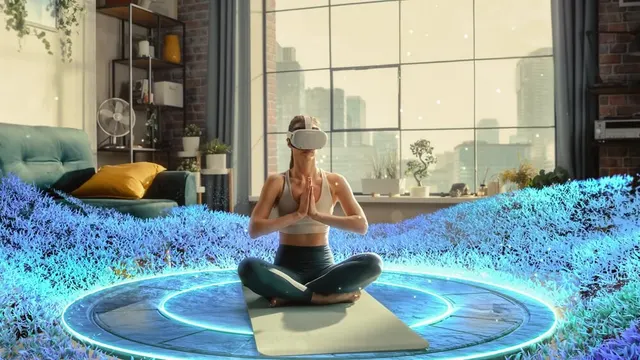
VR for relaxation. Best virtual reality relaxation apps
Virtual reality is becoming a significant tool for relaxation and mental health, utilizing immersive environments and mindfulness exercises to alleviate stress and anxiety. The article reviews scientific evidence, user challenges, and criteria for selecting VR apps, comparing leading platforms like TRIPP, Nature Treks VR, and others based on features, therapeutic value, pricing, and accessibility.

Why I've Never Mixed Weed With Virtual Reality
Combining virtual reality with cannabis may diminish the unique experiences each offers, as both have transformative qualities that can be compromised when mixed. The author reflects on their fascination with virtual reality since adolescence, influenced by cultural works like Snow Crash and Lawnmower Man.