
Knowledge · Research paper
Designing Mind(set) and Setting for Profound Emotional Experiences in Virtual Reality
By Alexandra Kitson, Ekaterina R. Stepanova, Ivan A. Aguilar, Natasha Wainwright, Bernhard E. Riecke
Virtual reality can facilitate profound emotional experiences, such as awe, by considering the influence of "set and setting," which includes mindset and the environment. A design refinement process revealed insights on user experience and behavioral measures related to awe, contributing to understanding how these factors enhance emotional experiences in VR.
- Kind
- Research paper35 research papers in the bank
- Published
- 2020Where it sits among everything in the Knowledge Bank, by year
- Authors
Topics
Abstract
About the paper
Virtual reality (VR) has the potential to support profound emotional experiences, such as experiencing awe when virtually viewing the Earth from space. In doing so, VR can potentially both give people positive emotional experiences contributing to their overall well-being and give researchers a way to study these profound emotional experiences in a more controlled environment. Through a design refinement process, we explored the potential influence of the "set and setting''--one's mindset and the physical and social environment--when transitioning people into and out of VR designed to support profound emotional experiences. We present our findings from a design refinement session and a case study exploring how set and setting may support the profound emotional experience of awe. We discuss common themes in user experience and trends of awe-related behavioural and introspective measures. Our results contribute to the discourse around the role of the design of set and setting in overall user experience.
Related
More like this

The Mediating Effect of the Flow Experience
A theoretical model shows that immersion in virtual reality positively affects the flow experience among undergraduate art and design students, with flow mediating the learning experience through factors like motivation and cognitive benefits. This suggests potential for enhancing learning in academic institutions using VR technology.

The Experience of Presence: Factor Analytic Insights
Presence in virtual environments develops from constructing a spatial-functional mental model through bodily action representation and sensory input suppression. Two studies confirmed that presence reflects spatial presence, involvement, and a third component of "realness." A thirteen-item presence scale was developed, distinguishing between presence, immersion, and interaction factors.
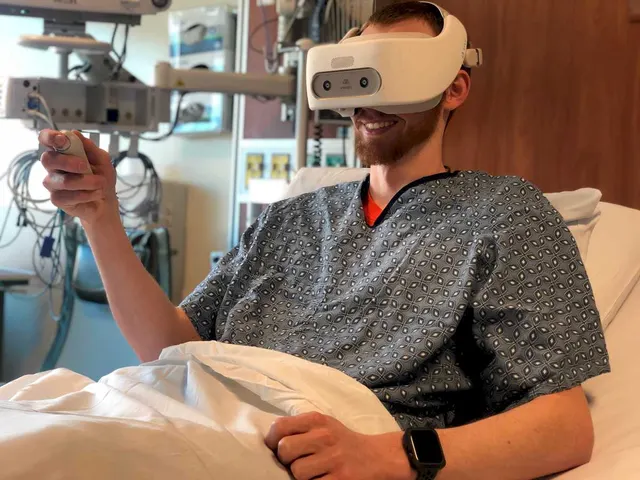
Clinical application of VR in patients with cardiovascular disease: state of the art
Cardiovascular disease remains a significant cause of morbidity and mortality, with patients experiencing various psychological symptoms, including anxiety and depression, which can impact recovery. Virtual reality (VR) technology has shown promise in improving psychological outcomes for patients with atherosclerotic cardiovascular disease (ASCVD) by providing immersive experiences that can alleviate distress and enhance recovery processes.
- Editor
- Not recorded yet
- Last reviewed
- Not reviewed yet
Conversation
Share your experience of it
What it was like, what helped, what you would tell someone before they try it.