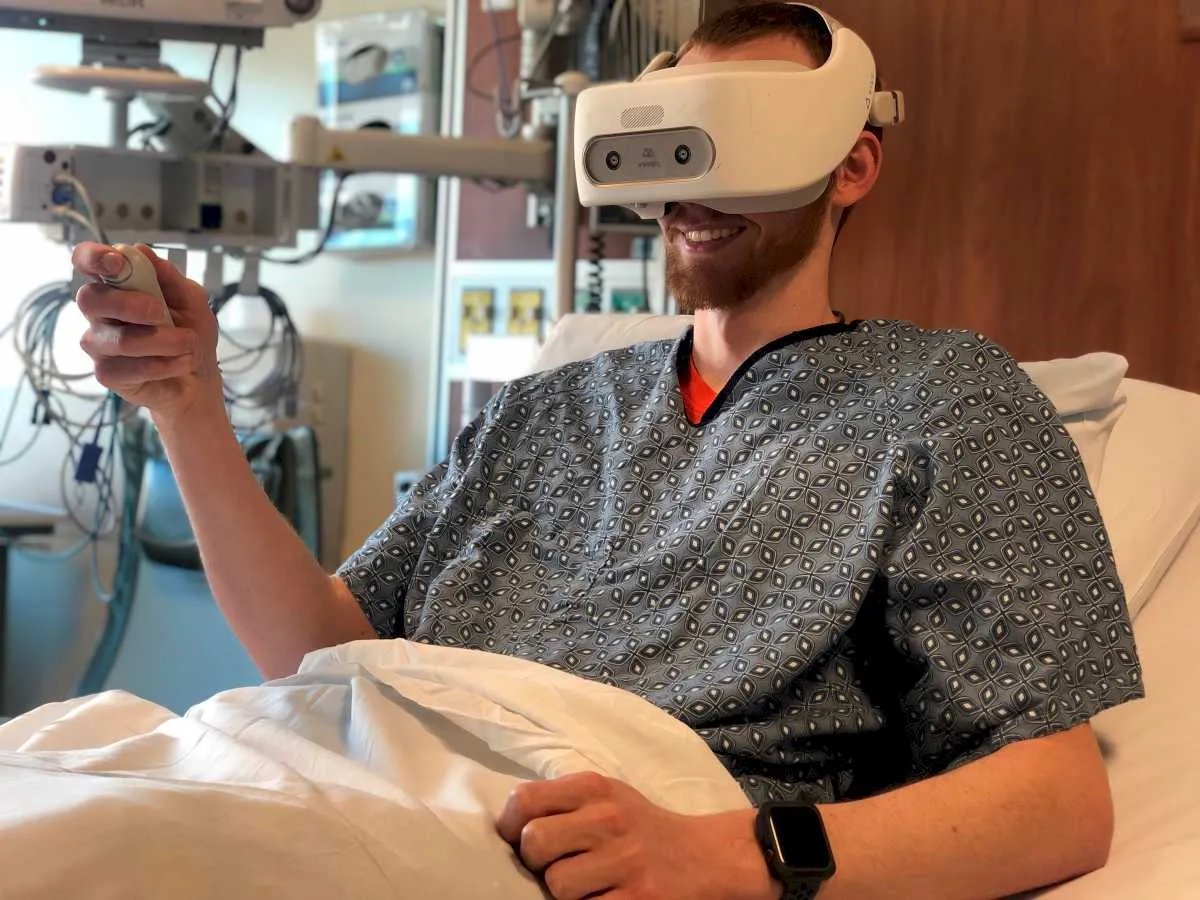
Knowledge · Research paper
Clinical application of VR in patients with cardiovascular disease: state of the art
By Valentina Micheluzzi, Eliano Pio Navaree, Giusppe Talanas, Chiara Idini
Cardiovascular disease remains a significant cause of morbidity and mortality, with patients experiencing various psychological symptoms, including anxiety and depression, which can impact recovery. Virtual reality (VR) technology has shown promise in improving psychological outcomes for patients with atherosclerotic cardiovascular disease (ASCVD) by providing immersive experiences that can alleviate distress and enhance recovery processes.
- Kind
- Research paper35 research papers in the bank
- Published
- 2024Where it sits among everything in the Knowledge Bank, by year
- Authors
Topics
Abstract
About the paper
Despite the declining incidence and mortality rates of atherosclerotic cardiovascular disease (ASCVD) in numerous European nations, this disease remains a major cause of morbidity and mortality (1). Patients with ASCVD suffer from a plurality of physical and psychological symptoms that can significantly affect daily life activities (2). A notable psychological sequelae in this cohort is the apprehension regarding disease recurrence, which has been correlated with manifestations of posttraumatic stress disorder, prognostic deterioration, diminished wellbeing, and reduced quality of life (3). Additional psychological burdens include concerns about long-term survival, distress related to the initial diagnosis, trepidation about potential cardiac events, and uncertainty regarding clinical outcomes, all of which may precipitate symptoms of anxiety and depression (3). Moreover, hospitalization itself can be a source of psychological distress, often exacerbating recovery uncertainties and engendering feelings of helplessness. Anxiety is one of the most frequently observed psychological reactions among patients awaiting various surgeries and can occur in up to 80% of patients (4). An increased level of preoperative anxiety is related to both psychological and somatic negative consequences, which subsequently affects anesthesia administration, postoperative care, treatment, and the recovery process (4). Preoperative anxiety is also considered a risk factor for mortality in patients after surgery (4). Furthermore, the duration of procedures can increase acute psychological symptoms (5). For these reasons, improving psychological symptoms in patients with ASCVD is a crucial goal.
Virtual reality (VR) is an innovative technology that has been shown to improve outcomes related to ASCVD. VR is defined as the use of interactive simulations generated with computer hardware and software that allow patients to be physically and psychologically present in virtual environments and perceive real feelings, emotions, perceptions, and interactions (6). In this review, we describe the state-of-the-art effectiveness of VR applied to ASCVD patients in different settings.
Related
More like this
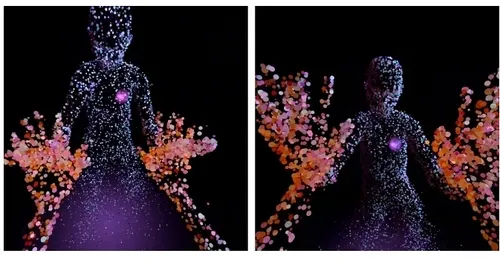
Embodied Telepresent Connection (ETC): Exploring Virtual Social Touch Through Pseudohaptics
The research explores the use of pseudo-haptics to create an embodied illusion of social touch in virtual reality through a prototype called ETC. It involves interaction patterns that simulate touch using visuals, sounds, and biosignal representation. Initial observations from events and workshops indicate that this approach can foster a subtle yet intimate experience of virtual social connection.

Virtual reality: a powerful technology to provide novel insight into treatment mechanisms of addiction
Virtual reality (VR) is emerging as a significant tool in mental health research, particularly for studying addiction. It offers immersive environments that simulate real-life scenarios, allowing researchers to investigate factors like craving, psychophysiology, and cognition in addiction treatment. VR enables standardized experimental designs and personalized simulations, enhancing understanding of treatment mechanisms and potentially leading to more effective therapeutic strategies.
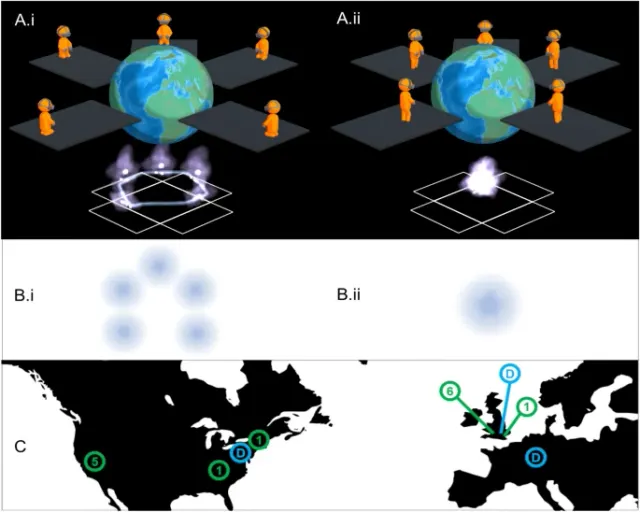
Group VR experiences can produce ego attenuation and connectedness comparable to psychedelics
Research explores the potential of virtual reality (VR) to create self-transcendent experiences (STEs) similar to those induced by psychedelics. Using a framework called 'Isness-distributed', participants in shared VR spaces experience a blurring of self-other boundaries, leading to moments of 'energetic coalescence'. Analysis of 58 participants showed that the subjective experiences in VR were statistically comparable to those reported in psychedelic studies, indicating VR's capability to facilitate intersubjective STEs that dissolve individual ego in connection with others.
- Editor
- Not recorded yet
- Last reviewed
- Not reviewed yet
Conversation
Share your experience of it
What it was like, what helped, what you would tell someone before they try it.