Knowledge · Research paper
Embodied Telepresent Connection (ETC): Exploring Virtual Social Touch Through Pseudohaptics
By John Desnoyers-Stewart, Ekaterina R. Stepanova, Pinyao Liu, Alexandra Kitson, Patrick Parra Pennefather, Vladislav Ryzhov, Bernhard E. Riecke
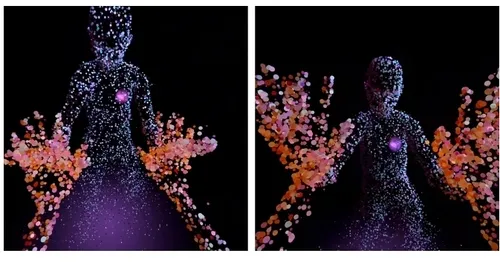
The research explores the use of pseudo-haptics to create an embodied illusion of social touch in virtual reality through a prototype called ETC. It involves interaction patterns that simulate touch using visuals, sounds, and biosignal representation. Initial observations from events and workshops indicate that this approach can foster a subtle yet intimate experience of virtual social connection.
- Kind
- Research paper35 research papers in the bank
- Published
- 2023Where it sits among everything in the Knowledge Bank, by year
- Authors
Topics
Abstract
About the paper
In search of missing tactile sensations in telepresent virtual reality (VR), we set off to explore how we might be able to apply pseudo-haptics to elicit an embodied illusion of social touch. We developed ETC (Embodied Telepresent Connection), a prototype that allows two participants to interact remotely through pseudo-haptic touch via their abstract aura avatars. ETC consists of a set of interaction patterns aimed to elicit an illusion of interpersonal touch using embodied metaphors, simulated physics, integration of visuals and sounds, biosignal representation, and embedded social connotations. We showed ETC at 5 events and 3 workshops, observing participants and gathering feedback from them. Here, we report on our design process and initial observations relating to the experience of virtual social touch. We observed that pseudo-haptics applied to social interaction afford a subtle and somewhat uncanny experience of virtual touch with the potential for intimate embodied connection.
Related
More like this
Clinical application of VR in patients with cardiovascular disease: state of the art
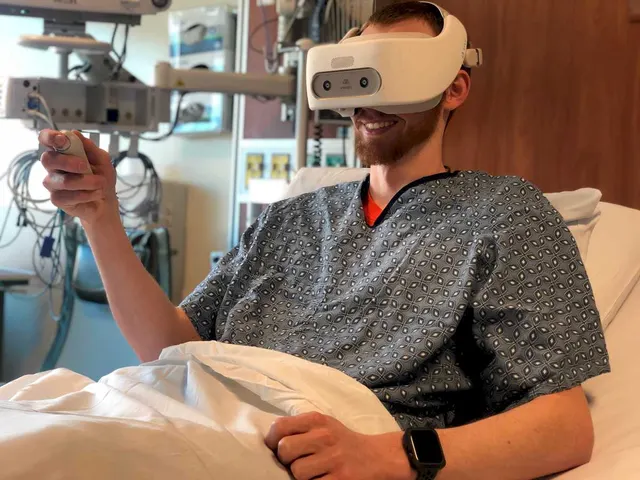
Cardiovascular disease remains a significant cause of morbidity and mortality, with patients experiencing various psychological symptoms, including anxiety and depression, which can impact recovery. Virtual reality (VR) technology has shown promise in improving psychological outcomes for patients with atherosclerotic cardiovascular disease (ASCVD) by providing immersive experiences that can alleviate distress and enhance recovery processes.
Group VR experiences can produce ego attenuation and connectedness comparable to psychedelics
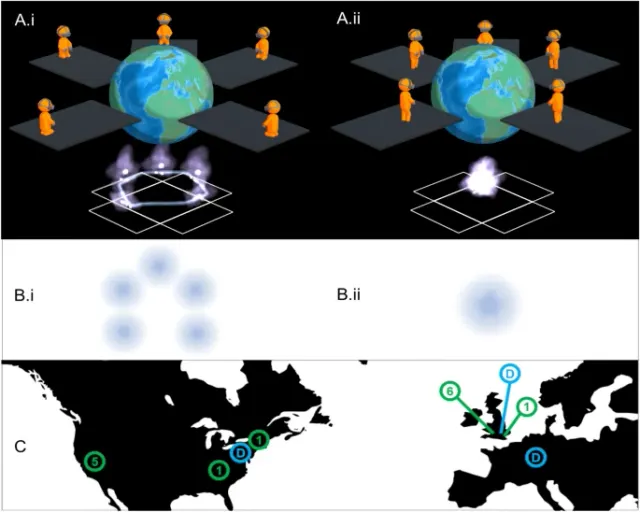
Research explores the potential of virtual reality (VR) to create self-transcendent experiences (STEs) similar to those induced by psychedelics. Using a framework called 'Isness-distributed', participants in shared VR spaces experience a blurring of self-other boundaries, leading to moments of 'energetic coalescence'. Analysis of 58 participants showed that the subjective experiences in VR were statistically comparable to those reported in psychedelic studies, indicating VR's capability to facilitate intersubjective STEs that dissolve individual ego in connection with others.

Virtual reality: a powerful technology to provide novel insight into treatment mechanisms of addiction
Virtual reality (VR) is emerging as a significant tool in mental health research, particularly for studying addiction. It offers immersive environments that simulate real-life scenarios, allowing researchers to investigate factors like craving, psychophysiology, and cognition in addiction treatment. VR enables standardized experimental designs and personalized simulations, enhancing understanding of treatment mechanisms and potentially leading to more effective therapeutic strategies.
- Editor
- Not recorded yet
- Last reviewed
- Not reviewed yet
Conversation
Share your experience of it
What it was like, what helped, what you would tell someone before they try it.