
Knowledge · Article
Believable Virtual Reality does not need high-end VR headsets — study
By Josef Erl
A study from the University of Bath reveals that emotional connection, rather than high-quality graphics or wide field of view, is key to immersion in virtual reality environments. Researchers explored how technical and human factors interact to influence users' sense of presence in VR.
- Kind
- Article33 articles in the bank
- Published
- 2023Where it sits among everything in the Knowledge Bank, by year
- Author
Topics
Summary
About the article
A Study finds that emotional connection, not graphics, is responsible for immersion in a VR environment.
A new study from the University of Bath has found that it is the emotional response, rather than high quality graphics or a wide field of view, that makes people feel immersed in a believable VR environment.
In their study, researchers from the University of Bath's Departments of Computer Science and Psychology investigated for the first time how technical and human factors interact to influence users' sense of presence in a VR environment.
Related
More like this

Virtual reality: a powerful technology to provide novel insight into treatment mechanisms of addiction
Virtual reality (VR) is emerging as a significant tool in mental health research, particularly for studying addiction. It offers immersive environments that simulate real-life scenarios, allowing researchers to investigate factors like craving, psychophysiology, and cognition in addiction treatment. VR enables standardized experimental designs and personalized simulations, enhancing understanding of treatment mechanisms and potentially leading to more effective therapeutic strategies.
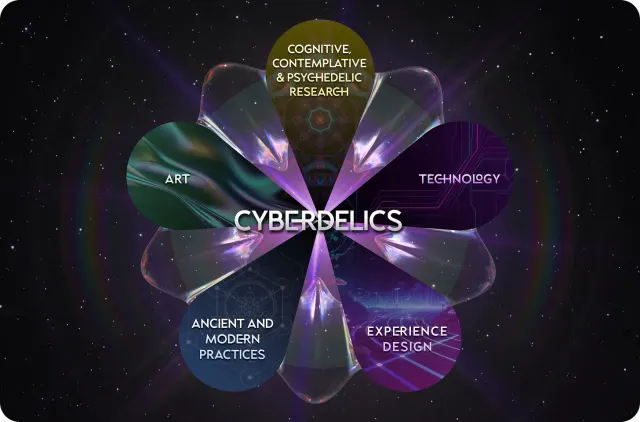
Cybernetics of the Self
The article introduces the concept of a cyberdelic stance, emphasizing conscious engagement with technology as feedback loops that can enhance wisdom and agency. It explores the evolution of cybernetics, merging it with psychedelia to highlight tools and practices that promote interconnection and co-creation, encouraging individuals to actively shape their experiences rather than being controlled by algorithms.
The New Skill in AI is Not Prompting, It's Context Engineering
Context Engineering is emerging as a crucial skill in AI, shifting the focus from prompt engineering to providing comprehensive context for tasks. The success of AI agents increasingly depends on the quality of context provided, with many failures attributed to context rather than model issues.
- Editor
- Not recorded yet
- Last reviewed
- Not reviewed yet
Conversation
Share your experience of it
What it was like, what helped, what you would tell someone before they try it.