Knowledge · Research paper
The Reality of VR
By Benjamin Shone, Joanna Kisker, Leon Lange
The fundamental question surrounding virtual reality (VR) is its level of realism, which influences its perception as either advanced computer technology or a distinct media experience. This understanding is essential for utilizing VR in scientific learning and therapeutic applications.
- Kind
- Research paper35 research papers in the bank
- Published
- 2023Where it sits among everything in the Knowledge Bank, by year
- Authors
Topics
Abstract
About the paper
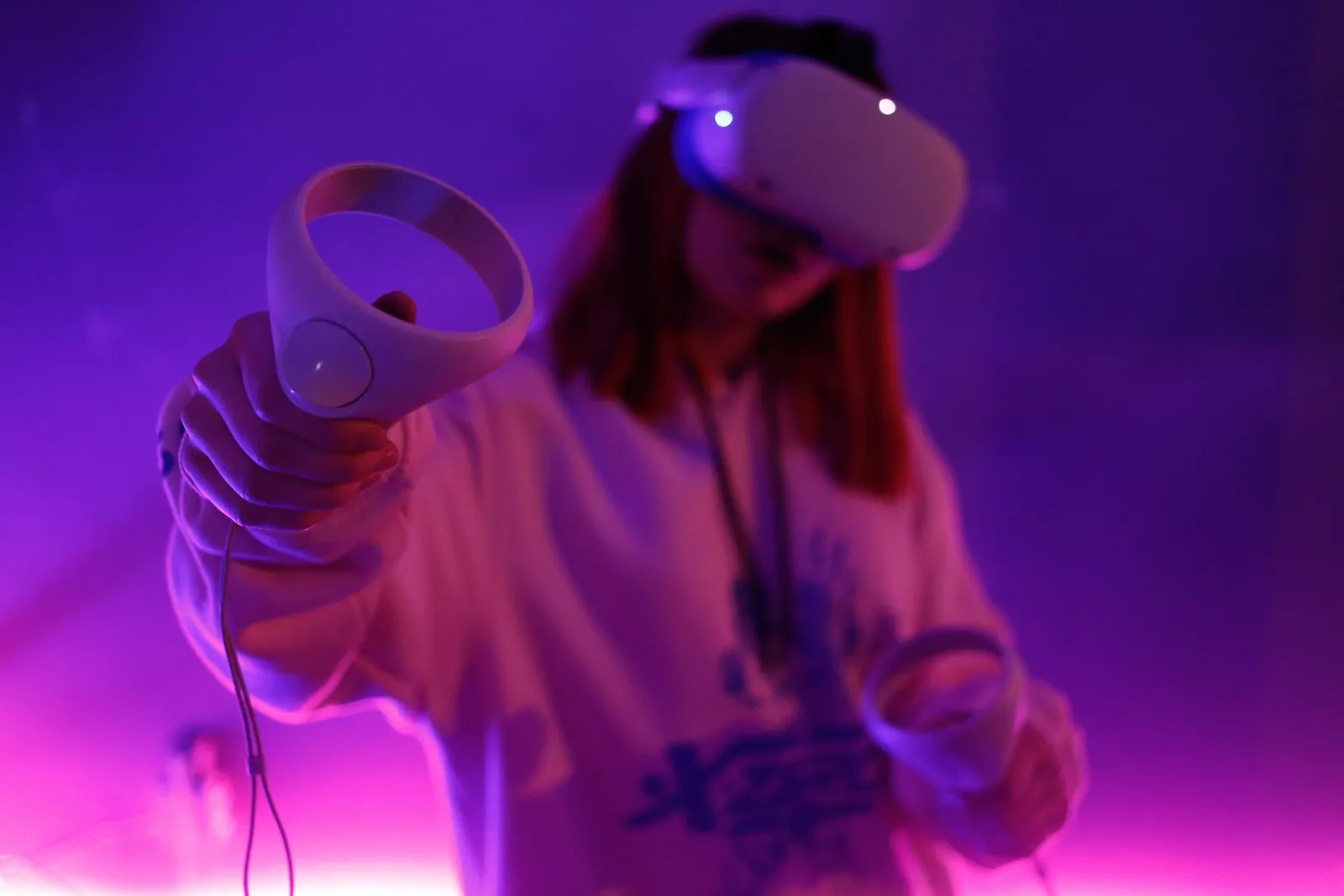
Getting into touch with virtual reality (VR), there is one fundamental question that arises immediately: How real is VR? The answer to that question will decide whether VR will only be considered an advanced form of computer technology, a next-generation PC, or if there is a categorical difference between VR and conventional (immersive) media experiences.
The answer to this question is crucial for the application of VR for scientific purposes as a tool for learning and for therapeutic purposes.
Related
More like this

Art as therapy in VR: A scoping review
This scoping review examines the use of virtual reality in therapeutic art interventions, highlighting its potential for enhancing artistic expression, self-improvement, and motivation in psychotherapy and neurorehabilitation. While virtual reality offers unique benefits, such as controlled environments and appeal to digital natives, challenges like digital literacy, technical limitations, and inclusivity must be addressed by practitioners and developers for effective implementation.
VR-based relaxation for enhancement of perioperative well-being, mood and quality of life - Scientific Reports
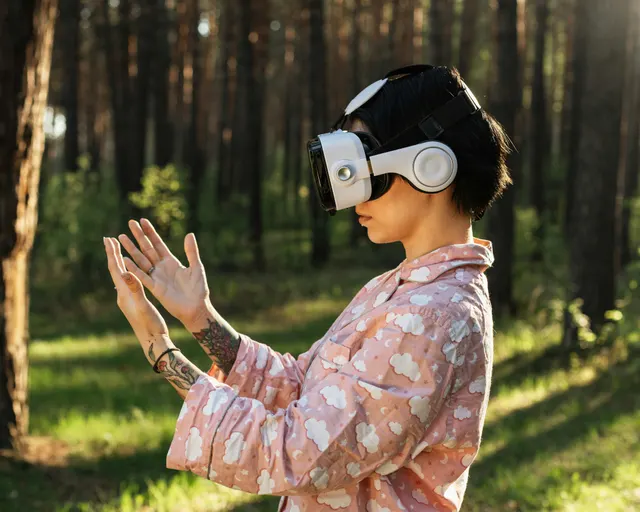
Virtual Reality (VR) is emerging as a cost-effective digital therapeutic tool for stress reduction, improving symptoms of anxiety and depression, and enhancing psychological well-being, particularly in cancer patients. VR interventions create immersive environments that distract users from their immediate surroundings, potentially reducing perioperative stress and improving quality of life and patient satisfaction during surgery.
Effectiveness of VR therapy in the treatment of anxiety disorders in adolescents and adults
VR therapy interventions show a positive effect on reducing anxiety in patients with anxiety disorders, but further high-quality studies are needed to confirm these findings due to limitations in the existing literature.
- Editor
- Not recorded yet
- Last reviewed
- Not reviewed yet
Conversation
Share your experience of it
What it was like, what helped, what you would tell someone before they try it.