Explore
Knowledge
Papers, articles, books, videos and tools on technology, art and consciousness, collected and summarised.
AI Keeps Getting Better at Talking About Consciousness
Current scientific asymmetry exists between the rapid advancement of artificial intelligence and the limited understanding of consciousness. While AI models like Claude 3.0 exhibit traits associated with consciousness, they express uncertainty about their own sentience and inner experiences, highlighting the ongoing philosophical and scientific questions surrounding the nature of consciousness.
Art, Technology, Consciousness
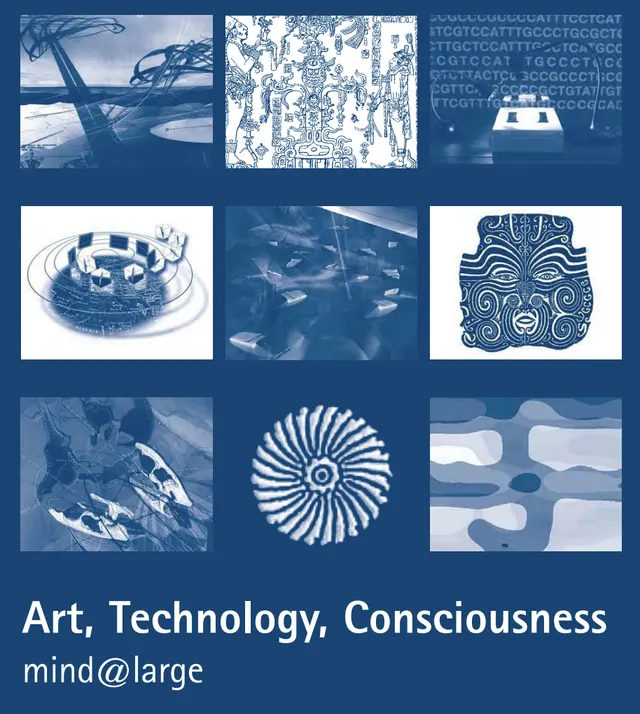
The collection features articles from artists and scientists presented at the Third International CAiiA-STAR Research Conference, focusing on the intersection of art, technology, and consciousness. It explores diverse topics such as artificial life, immersive VR, and the nature of consciousness, emphasizing a multidisciplinary and multicultural approach. The aim is to raise key questions and pursue creative implications rather than provide definitive answers, while also considering the spiritual aspects of human experience and their artistic implications.
Believable Virtual Reality does not need high-end VR headsets — study
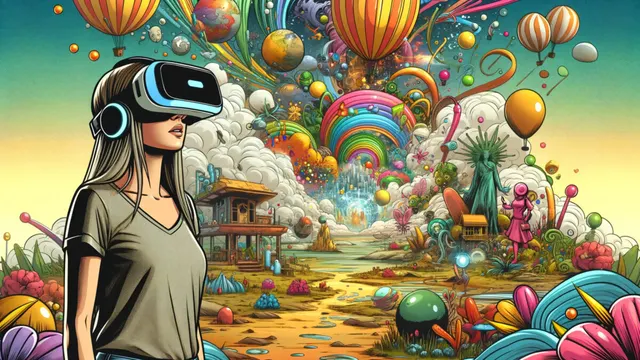
A study from the University of Bath reveals that emotional connection, rather than high-quality graphics or wide field of view, is key to immersion in virtual reality environments. Researchers explored how technical and human factors interact to influence users' sense of presence in VR.
Cybernetics of the Self
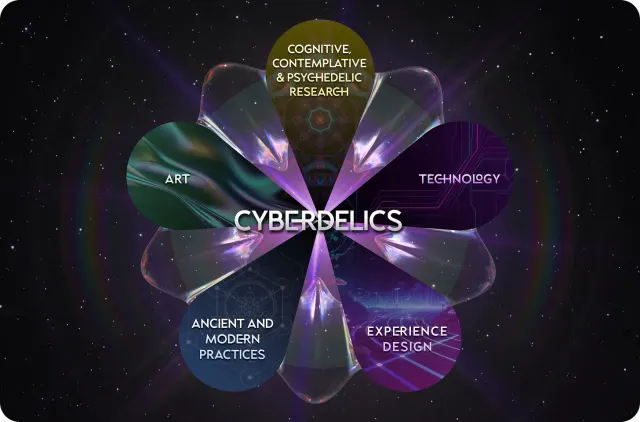
The article introduces the concept of a cyberdelic stance, emphasizing conscious engagement with technology as feedback loops that can enhance wisdom and agency. It explores the evolution of cybernetics, merging it with psychedelia to highlight tools and practices that promote interconnection and co-creation, encouraging individuals to actively shape their experiences rather than being controlled by algorithms.
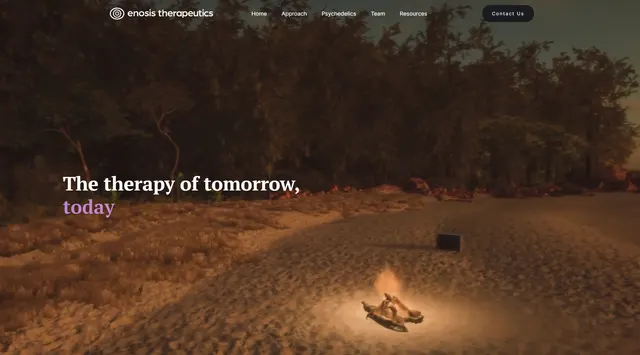
Enosis Therapeutics wants to optimise psychedelic therapy with VR
Enosis Therapeutics and Psylo are leveraging technology in Australia to advance medicinal psychedelic therapy, with Enosis focusing on virtual reality tools for integration therapy and Psylo developing non-hallucinogenic synthetic compounds. Australia has become the first country to legalize psychedelic-assisted therapies for conditions like treatment-resistant depression and PTSD.
Integrating SoundSelf in Ketamine Clinics
Ketamine clinics, effective for treatment-resistant depression, can enhance patient outcomes by integrating immersive technologies like SoundSelf. This biofeedback and neuro-stimulation tool serves as an adjunctive intervention, potentially improving the therapeutic experience for patients undergoing ketamine therapy.

Magic, VR, and Ketamine & Internal Family Systems
Virtual reality is not a substitute for therapists; in-person human connections will become increasingly valuable as technology advances. Creative expression through art, music, or movement can preserve the depth of ineffable experiences, avoiding oversimplification through verbalization.
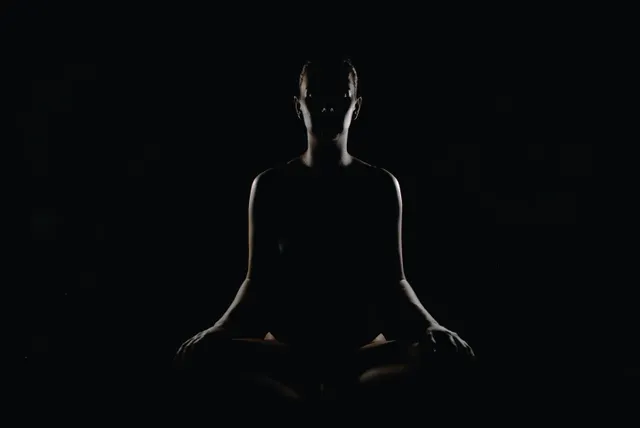
My Father, the VR Meditator: A Conversation on Life, Death, and the Power of Presence
Jeremy Nickel interviews his father about the evolution of meditation practice from seeking higher states to using it for everyday presence. They discuss how VR meditation reduces judgment, aids in facing mortality and grief, and how simple attention practices can transform fear into acceptance and engagement with life's transitions.
The CHT Perspective
Center for Humane Technology aims to ensure that powerful technologies develop with accountability, focusing on how technology can better serve society. They bridge the gap between complex technological systems and their societal impacts, exposing the hidden incentives behind significant technologies like social media and artificial intelligence to prevent misalignment.
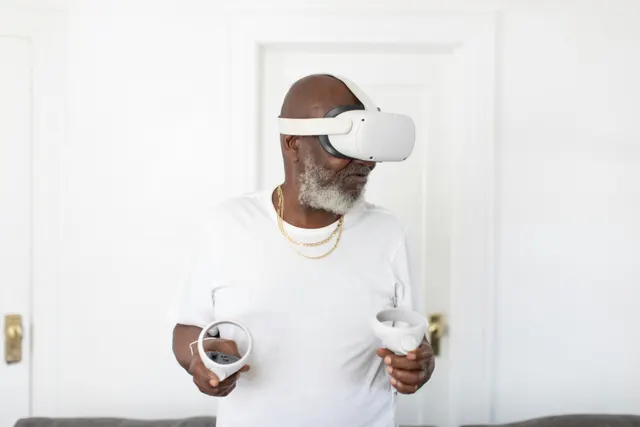
The effects of VR interventions on occupational participation and distress from symptoms in palliative care patients.
Virtual reality (VR) interventions, such as meditation, can reduce psychological distress and physical pain in palliative care patients while helping them achieve personal goals like coping with pain or relaxation. Low-immersion VR experiences are effective and well-accepted, with minimal participant burden and reported benefits outweighing any sadness from reminiscence. VR presents a valuable tool for occupational therapists in palliative care settings.
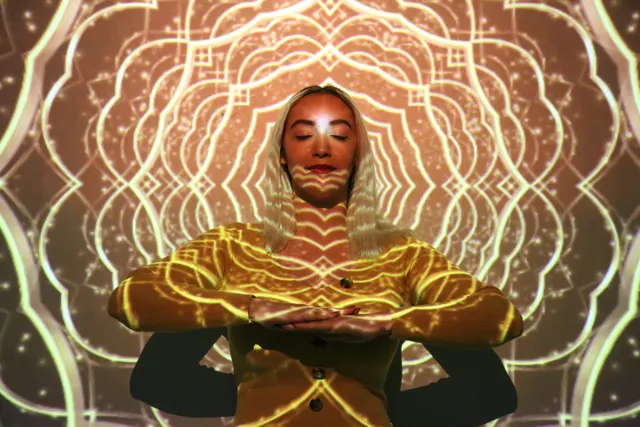
The Rise of Spiritual Technologies
Nichol Bradford, executive director of the Transformative Technology Lab, explores technology-based solutions for happiness and spiritual awakening, influenced by breakthroughs in psychedelic medicine and meditation studies. She emphasizes the potential of a $4 trillion market for wellness technologies, accelerated by the Covid-19 pandemic.
The Technodelic Manifesto
Technodelics aim to enhance mindfulness and connection in a world facing rising loneliness and depression. They focus on the present moment, using abstract audiovisual elements to stimulate the brain and engage the body in feedback loops. These experiences are immersive, reflective rather than prescriptive, and extend beyond screens into real-life settings, emphasizing the importance of ritual and ceremony.
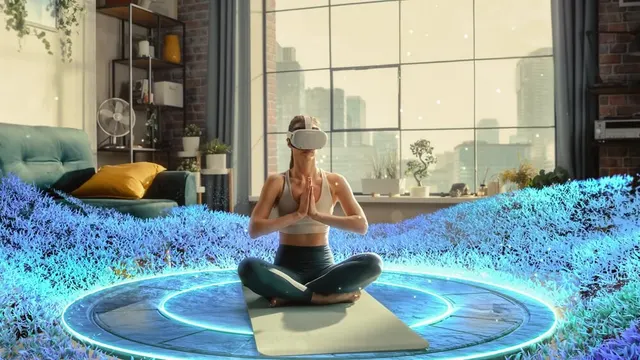
VR for relaxation. Best virtual reality relaxation apps
Virtual reality is becoming a significant tool for relaxation and mental health, utilizing immersive environments and mindfulness exercises to alleviate stress and anxiety. The article reviews scientific evidence, user challenges, and criteria for selecting VR apps, comparing leading platforms like TRIPP, Nature Treks VR, and others based on features, therapeutic value, pricing, and accessibility.

VR vs. Lumena's Reflective Chamber (MindGym)
A study from the Institute for Advanced Consciousness Studies reveals that anxiety-reducing experiences in a new reflective chamber called MindGym can be effectively translated into virtual reality formats, enhancing accessibility for anxiety management tools.