Explore
Knowledge
Papers, articles, books, videos and tools on technology, art and consciousness, collected and summarised.
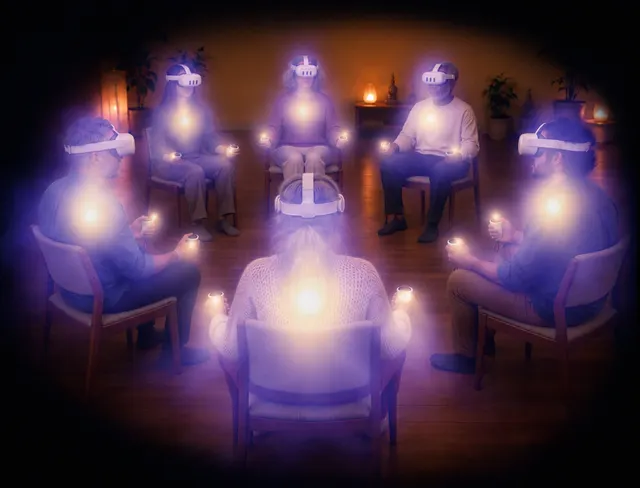
Autonomic indicators of self-transcendence: insights from the numadelic VR paradigm
HRV amplitude is identified as a physiological marker of self‑transcendent experiences during a “numadelic” VR paradigm, showing links to subjective self‑transcendence, compassion traits, and emotional improvement, though the study does not establish general clinical efficacy or long‑term effects.
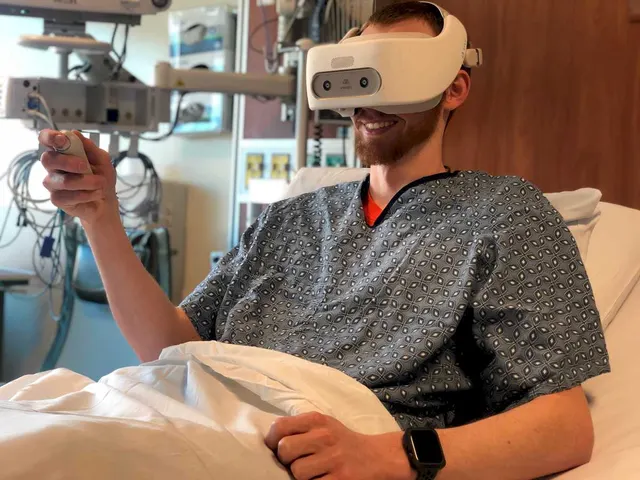
Clinical application of VR in patients with cardiovascular disease: state of the art
Cardiovascular disease remains a significant cause of morbidity and mortality, with patients experiencing various psychological symptoms, including anxiety and depression, which can impact recovery. Virtual reality (VR) technology has shown promise in improving psychological outcomes for patients with atherosclerotic cardiovascular disease (ASCVD) by providing immersive experiences that can alleviate distress and enhance recovery processes.
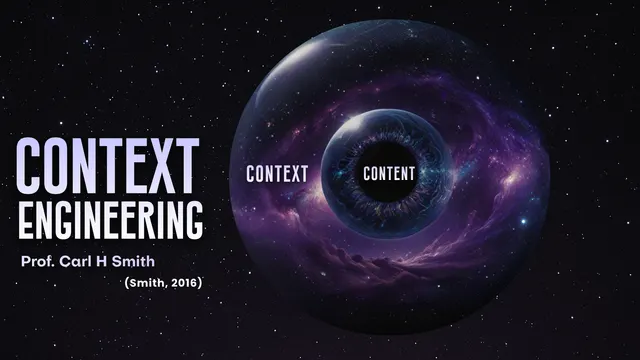
Context Engineering Hybrid Spaces for Perceptual Augmentation
Emerging spatial technologies are reshaping perception, challenging the traditional Cartesian split between subject and object. This paper explores how context engineering serves as an intermedial practice for perceptual augmentation, allowing real-time control over senses and influencing the construction of reality and consciousness.
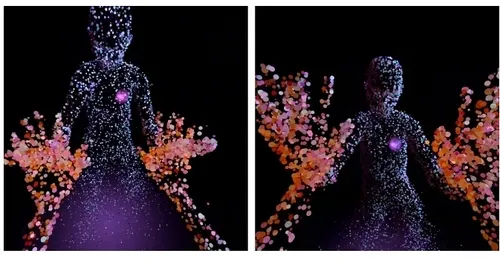
Embodied Telepresent Connection (ETC): Exploring Virtual Social Touch Through Pseudohaptics
The research explores the use of pseudo-haptics to create an embodied illusion of social touch in virtual reality through a prototype called ETC. It involves interaction patterns that simulate touch using visuals, sounds, and biosignal representation. Initial observations from events and workshops indicate that this approach can foster a subtle yet intimate experience of virtual social connection.

Exploring Peak Experiences through Multi-Sensory Extended Reality
Research explores how Multi-Sensory Extended Reality (MSXR) can induce Peak Experiences and altered states of consciousness to improve mental health. The study uses a qualitative phenomenological approach to capture participants' experiences and perceived therapeutic benefits, aiming to enhance the role of immersive technologies in mental health interventions and contribute to counseling psychology and consciousness studies.

Eye movements in virtual environments
Recent advancements in virtual reality (VR) with embedded eye-tracking offer new opportunities for research, but they also present unique challenges for data collection and analysis. This paper discusses best practices for validating 3D gaze-tracking in VR, highlighting a pilot study that indicates accuracy may vary with stimulus distance and cautions against relying solely on vergence for estimating gaze depth.

Flicker light stimulation enhances the emotional response to music: a comparison study to the effects of psychedelics
Flicker light stimulation (FLS) enhances emotional responses to music, similar to the effects of psychedelics. In a study with twenty participants, FLS significantly increased reported emotions, particularly "Joyful Activation," and intensity of FLS correlated with higher emotional arousal. These findings suggest further exploration of FLS as a method for inducing altered states of consciousness and its interaction with music-evoked emotions.
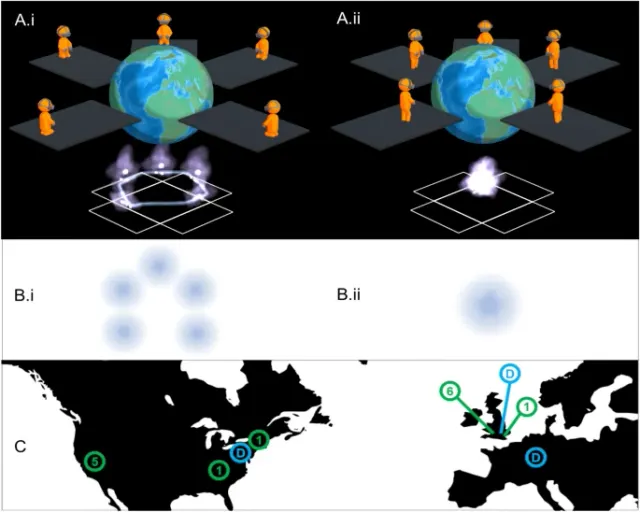
Group VR experiences can produce ego attenuation and connectedness comparable to psychedelics
Research explores the potential of virtual reality (VR) to create self-transcendent experiences (STEs) similar to those induced by psychedelics. Using a framework called 'Isness-distributed', participants in shared VR spaces experience a blurring of self-other boundaries, leading to moments of 'energetic coalescence'. Analysis of 58 participants showed that the subjective experiences in VR were statistically comparable to those reported in psychedelic studies, indicating VR's capability to facilitate intersubjective STEs that dissolve individual ego in connection with others.

Holotechnica: Exploring the nexus of altered states and altered traits
Holotechnica combines various techniques to create lasting transformations of consciousness, addressing the gap between altered states and enduring traits. The study aims to develop frameworks that integrate endo-technologies, cyberdelics, and pharmaco-technologies, based on insights from expert interviews. Future work will enhance measures to assess the achievement of altered traits.
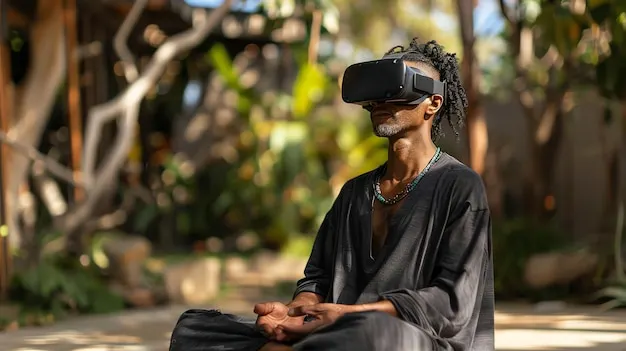
Immersive virtual reality or computerised mindfulness meditation for improving mood?
Mindfulness interventions effectively improve mood and reduce stress. This study compares the efficacy of immersive virtual reality-based mindfulness with computerised mindfulness meditation in a pilot trial, also examining potential simulator sickness effects on user engagement.
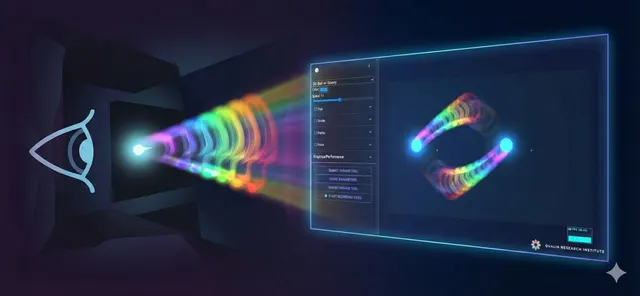
Modeling Psychedelic Tracers with QRI’s Psychophysics Toolkit: The Tracer Replication Tool
A new method called the Tracer Replication Tool has been developed to replicate psychedelic tracer effects, revealing how the time-like texture of experience influences states of consciousness. This tool aims to describe ineffable experiences, standardize a scale of psychedelic effects, quantify drug synergy, and test theories on the quality of experiences. Initial findings suggest distinct patterns in effects from various substances, such as THC and HPPD producing faint trails, and DMT resulting in vibrant visuals compared to the monochromatic effects of 5-MeO-DMT. The research encourages further exploration of these patterns within the scientific community and among psychonauts.
Virtual reality: a powerful technology to provide novel insight into treatment mechanisms of addiction
Virtual reality (VR) is emerging as a significant tool in mental health research, particularly for studying addiction. It offers immersive environments that simulate real-life scenarios, allowing researchers to investigate factors like craving, psychophysiology, and cognition in addiction treatment. VR enables standardized experimental designs and personalized simulations, enhancing understanding of treatment mechanisms and potentially leading to more effective therapeutic strategies.

VR Therapy in Palliative Care: A Case Series
Virtual reality (VR) therapy offers potential benefits for reducing symptom burden in palliative care patients. This case series evaluates the feasibility and acceptability of using VR therapy in this population, addressing a gap in existing research on its application in palliative settings.